
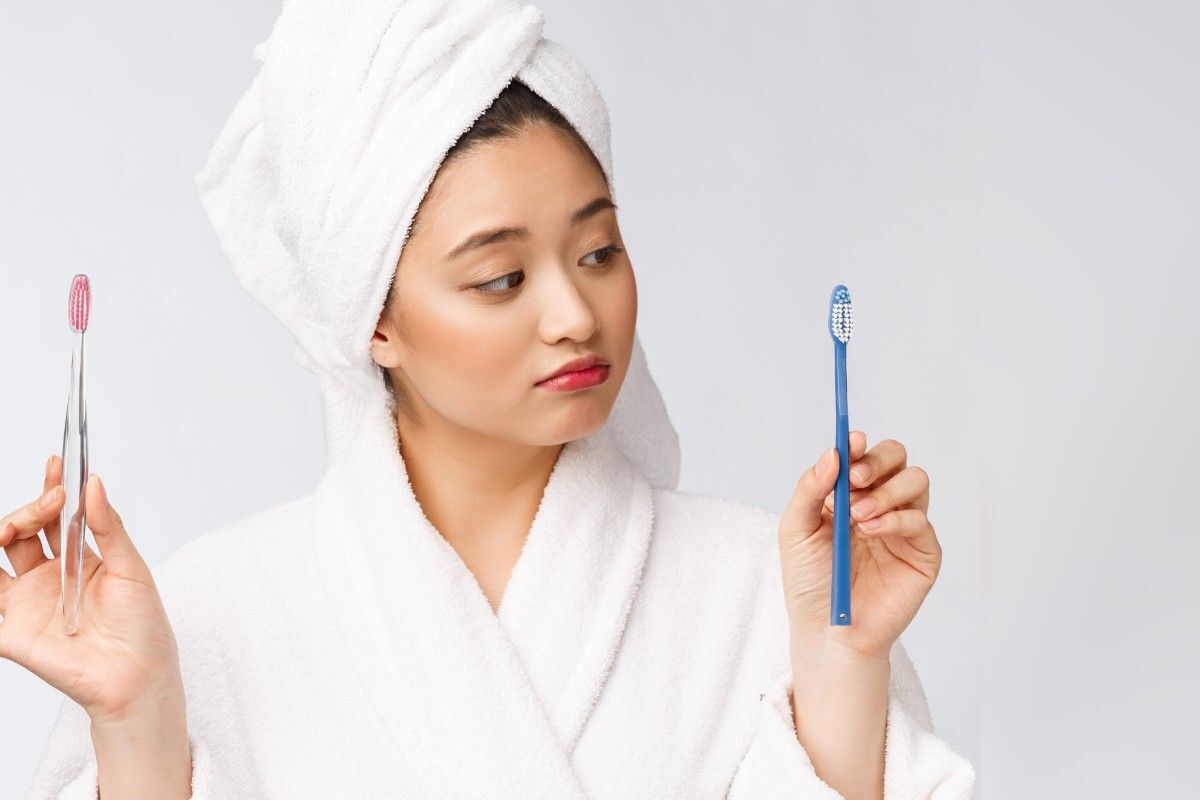

Choosing the right toothbrush plays a major role in protecting your teeth and gums. While most people focus on toothpaste or brushing technique, the type of toothbrush you use, soft or hard, can directly impact your oral health. Newark, DE residents often ask which option is better for daily use, especially when dealing with sensitivity, enamel wear, or gum concerns. Understanding the difference between soft and hard bristles can help you make a smarter, dentist-approved choice for a healthier smile.
Soft Toothbrushes Explained
Soft toothbrushes are the most recommended option for daily brushing in the United States, especially for people looking to protect their enamel and maintain healthy gums. They provide effective cleaning without causing irritation or damage to sensitive areas of the mouth.
Benefits of Soft Toothbrushes
Soft-bristled brushes offer several advantages:
- They clean the teeth and gumline thoroughly without applying too much pressure.
- They reduce the risk of enamel erosion, which is a common concern among adults in the USA.
- They prevent gum irritation, making them ideal for people with sensitivity or early signs of gum recession.
ADA Recommendation
The American Dental Association (ADA) strongly recommends using a soft-bristled toothbrush for everyday brushing. According to the ADA, soft bristles are effective at removing plaque while being gentle enough to protect your enamel and gums, making them the safest choice for most Americans.
Gentle on Tooth Enamel
Hard brushing or using stiff bristles can slowly wear down enamel over time. Soft toothbrushes help prevent this by offering a controlled, gentle clean that still removes plaque effectively.
Best for Sensitive Gums
If you have bleeding gums, tenderness, or gum recession, a soft toothbrush is the best choice. It provides comfort while still maintaining excellent oral hygiene. This is one of the major soft toothbrush benefits USA dentists highlight when guiding patients toward healthier brushing habits.
Hard Toothbrushes Explained
Hard-bristled toothbrushes are designed with firmer bristles that provide stronger scrubbing power. While they may seem effective for cleaning tough plaque, they are not recommended for daily use by most dentists across the United States.
Pros of Hard Toothbrushes
- They can remove heavy plaque buildup more aggressively.
- Useful in limited cases, such as cleaning dental appliances (not natural teeth).
- Some people feel they give a “stronger clean,” although this is not safer or healthier.
Risks of Using a Hard Toothbrush
Hard toothbrushes can cause long-term damage to your teeth and gums, especially when used daily. Common risks include:
- Gum recession — firm bristles push the gumline back over time.
- Enamel wear — the outer layer of the tooth gets thinner, increasing sensitivity.
- Tooth abrasion — visible notching or erosion near the gumline.
- Increased sensitivity — hot, cold, and sweet foods may cause discomfort.
Because of these risks, most U.S. dentists and the American Dental Association recommend soft-bristled toothbrushes for everyday brushing.
When Dentists May Recommend a Hard Toothbrush
Dentists rarely recommend hard-bristled brushes, but in a few specific situations, they may be used:
- Cleaning dentures, retainers, or orthodontic appliances
- Removing stains from certain dental devices
- Short-term use under professional guidance (not for natural teeth)
For natural tooth brushing, especially for patients in Newark, DE, the safer choice is almost always a soft-bristled toothbrush.
Soft vs. Hard Toothbrushes: Which Is Better?
When it comes to choosing between a soft or hard toothbrush, most dental professionals in the U.S. agree that soft-bristled brushes are the safest and most effective for everyday use. They clean the teeth thoroughly without damaging the enamel or irritating the gums.
Hard toothbrushes may seem like they clean better, but they can actually cause problems over time, such as gum recession, enamel wear, and increased tooth sensitivity. That’s why they are rarely recommended for regular brushing.
Most dentists in Newark, DE recommend using a soft-bristled toothbrush, especially for patients with sensitive gums, early gum disease, or exposed root surfaces. Soft bristles are gentle, flexible, and effective enough to remove plaque while protecting delicate oral tissues.
If you’re unsure which brush is right for you, your Newark dentist can guide you based on your gum health, enamel strength, and brushing habits.
What Newark, DE Dentists Recommend
Dentists in Newark, DE consistently emphasize that the safest and most effective choice for everyday brushing is a soft-bristled toothbrush. Soft brushes are gentle on the gums, protect the enamel, and follow the American Dental Association (ADA) guidelines for daily oral care.
Because gum sensitivity is fairly common in the Northeast USA, especially during colder seasons, Newark dentists strongly advise avoiding hard-bristled brushes. Hard bristles can lead to gum recession, enamel wear, and long-term tooth sensitivity.
Local dental experts in Newark, DE also highlight the importance of proper brushing technique over brush stiffness. Using a soft toothbrush with light pressure and small circular motions cleans the teeth effectively without harming the gums.
If you’re unsure which option is right for your smile, ask your provider for a personalized recommendation or search for the best toothbrush Newark DE suggestions from trusted dental professionals.
How to Choose the Right Toothbrush for You
Choosing the right toothbrush depends on your unique oral health needs. For many people in Newark, DE, factors like gum sensitivity, enamel strength, and age play an important role in selecting the safest and most effective option.
Key Factors to Consider
✔ Gum Health
If you have sensitive or bleeding gums, a soft-bristled toothbrush is the safest choice. Soft bristles clean effectively without irritating delicate gum tissue, which is a common recommendation in Newark DE dental care tips.
✔ Enamel Protection
People with weakened or eroded enamel should avoid hard bristles. Soft brushes help prevent further enamel wear while still removing plaque efficiently.
✔ Tooth Sensitivity
If you experience sensitivity to cold, sweets, or pressure, a soft toothbrush is ideal. It reduces irritation and helps maintain healthy, comfortable brushing habits.
✔ Age & Comfort
- Kids and seniors: Always benefit more from soft bristles.
- Adults with healthy gums: Can use medium bristles, but dentists still prefer soft for daily use.
Choose a handle that feels comfortable and gives you good control while brushing.
When to Replace Your Toothbrush
Replacing your toothbrush regularly is essential for keeping your mouth healthy and preventing bacteria buildup. Most dental experts in the United States, including Newark, DE dentists, recommend following the 3-month rule, swap out your toothbrush every three months or sooner if the bristles look worn out.
Why the 3-Month Rule Matters
- Bristles lose their effectiveness and clean less thoroughly
- Worn bristles can irritate your gums
- Bacteria accumulate over time, especially after colds or infections
Special Recommendations for Kids and Seniors
- Kids: Children often brush more aggressively, causing bristles to fray faster. Replace their toothbrush every 6–8 weeks or as soon as the bristles spread.
- Seniors: Older adults with sensitive gums or dental work (crowns, bridges, implants) should replace toothbrushes every 2–3 months to maintain gentle and effective cleaning.
FAQs
Are soft toothbrushes better for sensitive teeth?
Yes. Soft toothbrushes are gentler on enamel and gums, making them the best choice for people with sensitive teeth. Most U.S. dental professionals recommend soft-bristled brushes for daily use because they clean effectively without causing irritation.
Are hard toothbrushes bad for gums?
Hard toothbrushes can cause gum recession, enamel wear, and increased sensitivity when used regularly. That’s why most dentists across the United States advise against using hard bristles unless specifically recommended for a short period.
What toothbrush do Newark, DE dentists recommend?
Most dentists in Newark, DE recommend soft-bristled, ADA-approved toothbrushes for everyday brushing. Soft bristles remove plaque efficiently while protecting gum health, which is especially important for patients with sensitivity or early gum problems.
Is a medium toothbrush okay?
A medium toothbrush can be used occasionally, but it is not ideal for daily brushing. Medium bristles can still be too abrasive for many people. Dental experts in the U.S., including those in Newark, DE, generally recommend choosing a soft toothbrush for safer, healthier brushing.
Conclusion
Choosing the right toothbrush plays a major role in keeping your teeth and gums healthy. For most people, a soft-bristled toothbrush is the safest and most dentist-recommended option because it effectively cleans your teeth without causing enamel wear or gum irritation. Hard toothbrushes may seem more powerful, but they often do more harm than good when used daily.
If you’re unsure which toothbrush is right for your specific needs, the best approach is to get personalized guidance from a dental professional.
For expert advice tailored to your oral health, book an appointment with Main Street Dental in Newark, DE for personalized toothbrush recommendations and complete dental care.