



Root canal cost with insurance is a common concern for many patients planning dental treatments. Understanding how insurance impacts the final price can help you make informed decisions and avoid unexpected expenses. From coverage percentages to deductibles, knowing your policy details is key to managing costs effectively.
This guide provides a clear overview for understanding root canal costs with insurance, helping you navigate pricing, coverage, and practical tips to save money while ensuring high-quality dental care.
What is a Root Canal?
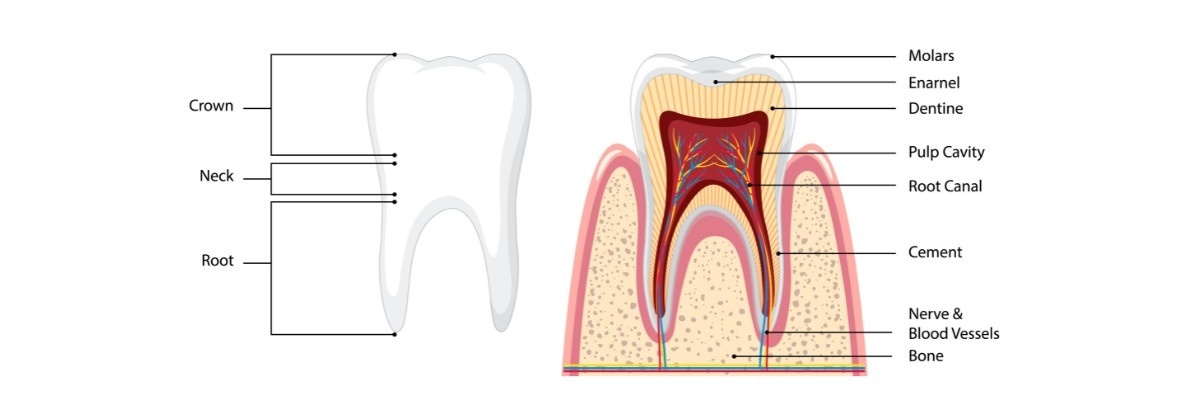
A root canal is a common dental procedure designed to save a tooth that is severely decayed or infected. When the pulp, the soft tissue inside the tooth containing nerves and blood vessels, becomes inflamed or infected, it can cause intense pain, sensitivity, or even lead to an abscess. A dental root canal procedure involves removing the damaged pulp, cleaning and disinfecting the tooth’s interior, and then sealing it to prevent further infection.
Also known as endodontic treatment, root canals are highly effective in preserving natural teeth, helping patients avoid extraction and maintain proper chewing and jaw alignment. The procedure is typically performed under local anesthesia, so most people experience little to no discomfort during treatment. If you want to ensure you’re in safe hands, you can always find best dentist in Newark to get the right care and guidance.
Key Benefits of a Root Canal (Endodontic Treatment):
- Relieves severe tooth pain caused by infection or decay
- Prevents the spread of infection to surrounding teeth or gums
- Preserves the natural tooth structure
- Supports long-term oral health and functionality
Average Root Canal Cost Without Insurance
Understanding the average root canal cost without insurance helps patients plan their treatment budget more confidently. Prices vary based on the tooth’s location, the complexity of the infection, and whether the treatment is performed by a dentist or an endodontist. Below is a clear root canal cost breakdown for each tooth type.
Typical Root Canal Pricing (No Insurance)
- Front Tooth (Anterior):
Average root canal price: $600 – $1,100 - Premolars:
Average cost: $700 – $1,300 - Molars (Most Complex):
Average root canal price: $900 – $1,800
Why the Costs Are Different
- Front teeth have one canal, making the procedure simpler.
- Molars usually have 2–4 canals, requiring more time and expertise.
- Endodontists may charge slightly higher fees due to specialized training.
Quick Cost Table for Clarity
| Tooth Type | Average Price Range | Complexity |
| Front Tooth | $600 – $1,100 | Low |
| Premolar | $700 – $1,300 | Medium |
| Molar | $900 – $1,800 | High |
This transparent root canal cost breakdown helps you understand what to expect before insurance adjustments.
How Insurance Affects Root Canal Pricing
Understanding how insurance affects root canal pricing is the key to knowing what you will actually pay at your dental visit. Most dental insurance plans cover a portion of the treatment, but the final cost depends on three major factors: your co-pay, deductible, and coverage percentage.
- Co-Pay
A co-pay is the fixed amount you pay at the time of treatment. It can range from $20–$50, depending on your insurance plan.
- Deductible
Your deductible is the amount you must pay out-of-pocket each year before your insurance starts covering dental services.
For many patients, this is typically $50–$150.
- Coverage Percentage
Most dental insurance plans classify root canals as a basic or major procedure, covering anywhere from 40% to 80% of the total cost.
This is where your savings become most noticeable.
This section also helps explain your keyword:
Root Canal Expenses: Insurance Coverage Explained, insurance reduces overall expenses, but the exact amount depends on your plan details.
Example Price Scenarios
To understand the difference more clearly, here are simple, realistic examples of root canal cost with vs. without insurance:
✔ Scenario 1: Coverage Included (With Insurance)
- Total root canal cost: $1,000
- Insurance covers: 70% → $700
- You pay:
- Co-pay: $30
- Deductible: $50
- Remaining balance: $220
- Co-pay: $30
- Final patient cost: ~$300
✔ Scenario 2: Paying Out-of-Pocket (Without Insurance)
- Total root canal cost: $1,000
- No insurance coverage
- Final patient cost: $1,000
✔ Scenario 3: Premium Plan Benefits (High Coverage Insurance)
- Total root canal cost: $1,000
- Insurance covers: 80% → $800
- Patient pays:
- Deductible: $100
- Remaining: $100
- Deductible: $100
- Final patient cost: ~$200
✔ Scenario 4: Basic Plan Limitations (Low Coverage Insurance)
- Total root canal cost: $1,000
- Insurance covers: 50% → $500
- Patient pays:
- Deductible: $75
- Remaining: $425
- Deductible: $75
-
Final patient cost: ~$500
Navigating Root Canal Costs and Insurance
Understanding root canal cost with insurance becomes easier when you know how to compare coverage, check benefit limits, and choose the right dental provider. Whether you’re researching for yourself or looking for an affordable option like root canal cost with insurance in Newark, DE, these practical steps will help you manage expenses without stress.
✓ Check Your Insurance Coverage Details
Before starting treatment, review your dental insurance plan to understand:
- What percentage of the root canal is covered
- Annual maximum limits
- Your remaining balance for the year
- Whether your dentist is in-network or out-of-network
Most insurance plans cover 40%–80% of root canal procedures depending on the tooth and plan type.
✓ Request a Pre-Treatment Estimate
Ask your dentist for a written treatment cost breakdown.
This helps you compare:
- Total procedure cost
- Insurance coverage
- Deductibles and co-payments
- Additional expenses like X-rays or crowns
Always request an estimate before the procedure so you never face surprise bills.
✓ Choose In-Network Dental Providers
Selecting an in-network dentist can significantly reduce your out-of-pocket expenses.
In-network dentists agree to discounted rates, making root canal treatment more affordable.
For patients checking root canal cost with insurance in Newark, DE, local in-network providers often offer 10%–25% lower fees.
✓ Explore Payment Plans & Dental Discount Programs
If insurance doesn’t cover everything, you can still lower costs by:
- Setting up monthly payment plans
- Using HSA or FSA funds
- Asking for cash-payment discounts
- Using dental discount membership programs
Many clinics offer 0% interest payment plans for essential treatments like root canals.
✓ Compare Prices Between Providers
Root canal pricing varies depending on location, the complexity of the tooth, and the dentist’s experience.
Comparing 2–3 providers can help you get fair pricing without compromising quality.
Always compare the “final price,” including crown, X-rays, and follow-up care.
Tips for Managing Root Canal Expenses with Insurance
Managing dental costs becomes much easier when you know how to use your insurance effectively. Here are the best Tips for Managing Root Canal Expenses with Insurance:
1. Verify Your Dental Insurance Coverage
Check your plan details to understand what percentage of the root canal procedure is covered. Many dental plans cover 50–80% of medically necessary treatments, but coverage varies based on your provider and tooth type.
2. Ask for a Pre-Treatment Estimate
Request a written cost estimate from your dentist before the procedure. This helps you understand your out-of-pocket expenses after insurance, so there are no surprises later.
3. Use Flexible Spending Accounts (FSA) or Health Savings Accounts (HSA)
If you have an FSA or HSA, you can pay for root canal treatment using pre-tax dollars. This reduces your overall cost and saves money on necessary dental care.
4. Consider Dental Discount Plans
If your insurance covers only a portion of the treatment, or if you’re waiting for benefits to reset, dental discount plans can offer 10–60% savings on procedures, including root canals.
Additional Costs to Consider
Even with insurance, there are a few extra expenses you might encounter during or after the procedure:
Medication & Pain Management
You may need antibiotics or pain-relief medication after the treatment, which can add to the total cost.
Follow-Up Visits
Some patients require follow-up check-ups to ensure the tooth is healing properly. These visits may or may not be covered by insurance.
Dental Crown After Root Canal
Many root canal treatments require a crown to protect the tooth. This is a common cost addition and should be included in your budget.
FAQs
How much does a root canal cost with insurance?
With insurance, the average cost typically ranges from $200 to $800, depending on your coverage, tooth location, and required follow-up treatments.
Does insurance cover root canals completely?
Not always. Most plans cover part of the procedure, usually 50–80%. You may still pay for deductibles, co-pays, or the dental crown afterward.
Are there cheaper alternatives to root canals?
The only alternative is tooth extraction, but replacing the tooth with an implant or bridge often costs more than the root canal itself.
How can I maximize my dental insurance coverage?
Use in-network providers, request pre-authorization, schedule treatment before your benefits reset, and apply FSA/HSA funds to lower your out-of-pocket expenses.
Conclusion
Understanding root canal costs with insurance helps you plan your treatment confidently and avoid unexpected expenses. By verifying your coverage, requesting estimates, and using financial tools like FSAs or HSAs, you can significantly reduce your total costs.
Contact Main Street Dental today to get a personalized root canal cost estimate based on your insurance plan.