

Dentistry in the United States is entering a new era in 2025-26, one driven by advanced technology, smarter diagnostics, and a stronger focus on patient comfort and long-term oral health. Today’s dental care is no longer just about treating problems after they appear. Instead, modern dentistry emphasizes early detection, minimally invasive treatments, and personalized care experiences that fit the needs of busy, health-conscious patients.
From AI-powered imaging to same-day restorations and expanded preventive services, dental clinics across the USA are redefining what patients can expect from a routine dental visit.
Why Dentistry in the USA Is Rapidly Evolving
The rapid evolution of dentistry in the USA is being shaped by a combination of technological innovation, changing patient expectations, and updated healthcare policies. These factors are transforming both how dentists deliver care and how patients experience it.
Shift Toward Technology-Driven Diagnosis
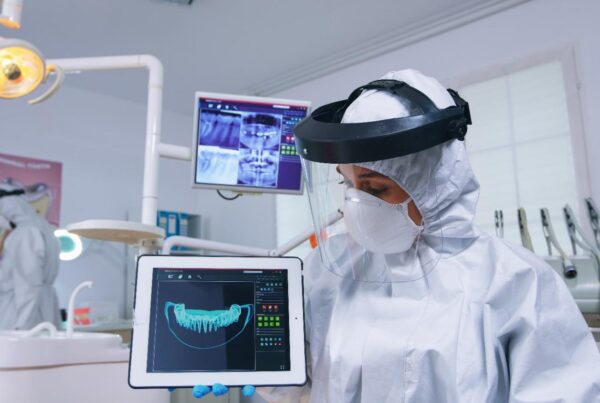
Modern dental practices now rely heavily on digital tools such as AI-assisted X-rays, 3D imaging, and intraoral scanners to detect issues earlier and with greater accuracy. These technologies help dentists identify cavities, gum disease, bone loss, and bite problems at an early stage, often before symptoms become noticeable. As a result, treatment plans are more precise, efficient, and predictable.
Focus on Preventive and Patient-Centered Care
Dentistry in the USA is moving away from a reactive approach and toward preventive care. Regular cleanings, early screenings, and personalized oral health plans are now at the core of modern dental treatment. Dentists are also taking a more patient-centered approach, tailoring care based on individual risk factors, lifestyle habits, and long-term health goals rather than offering one-size-fits-all solutions.
Rising Patient Expectations for Comfort and Speed
Today’s patients expect dental visits to be faster, more comfortable, and less stressful. Advances such as laser dentistry, minimally invasive procedures, and same-day crowns have significantly reduced pain, recovery time, and the number of required appointments. Comfort-focused amenities, anxiety management techniques, and clear communication are now standard expectations in leading dental clinics.
Influence of Healthcare Regulations and Innovation
Ongoing changes in U.S. healthcare regulations, including improvements in dental insurance transparency and expanded Medicare coverage for certain medically necessary dental services, are also driving innovation. These updates encourage clinics to adopt modern systems, improve accessibility, and deliver higher-quality care while maintaining compliance and efficiency.
Artificial Intelligence (AI) in Modern Dental Care
Artificial Intelligence (AI) is transforming the way dental professionals diagnose, plan, and deliver care. In modern dental clinics across the USA, AI-powered systems are being used alongside dentists, not to replace them, but to enhance clinical accuracy, efficiency, and patient outcomes. This technology allows issues to be identified earlier and treatments to be more personalized than ever before.
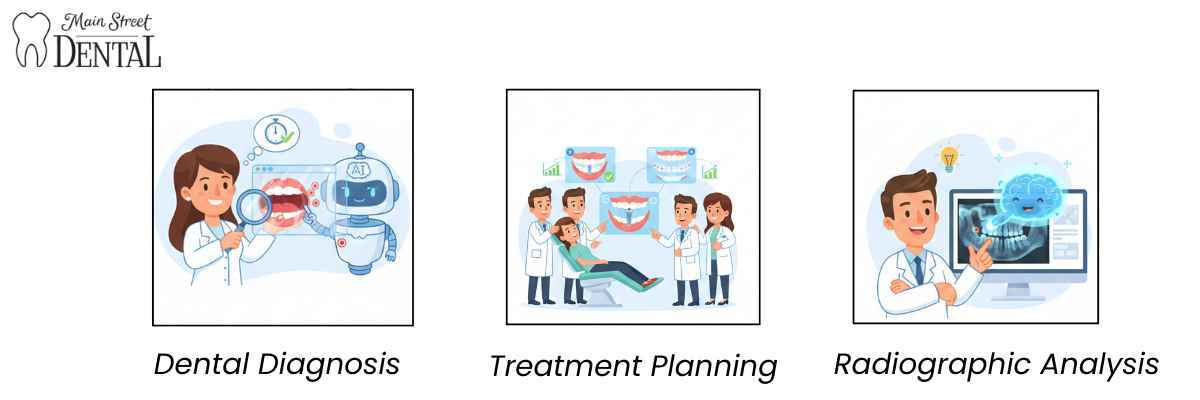
How AI Improves Dental Diagnosis
AI has significantly improved the accuracy of dental diagnostics by analyzing large amounts of clinical data within seconds.
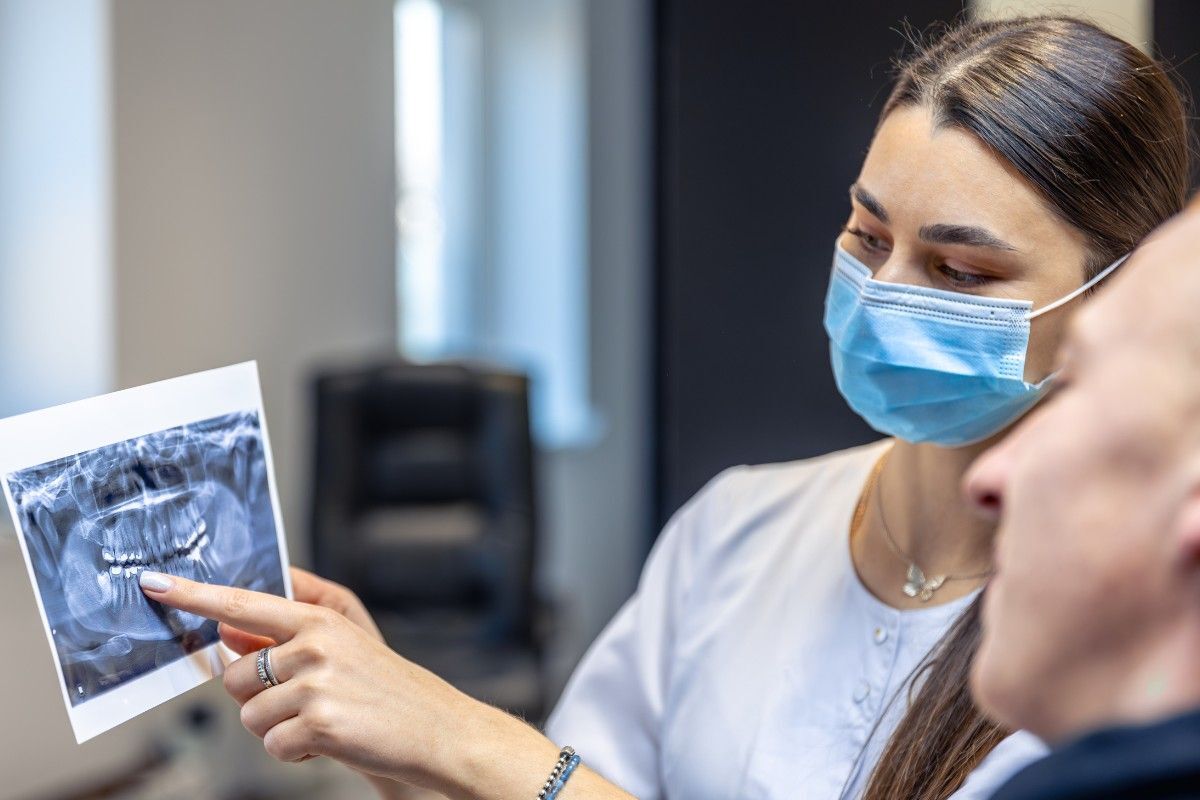
Early cavity and gum disease detection : AI software can identify early signs of tooth decay, bone loss, and gum disease that may be difficult to detect during a routine visual exam. By analyzing dental X-rays and scans at a pixel level, AI helps dentists catch problems before they become painful or costly.
AI-assisted radiographic analysis : Modern AI tools assist dentists in reviewing digital X-rays, CBCT scans, and intraoral images. These systems highlight potential concerns such as cavities, infections, or structural changes, helping dentists make faster and more confident clinical decisions while reducing the risk of missed diagnoses.
AI in Treatment Planning
Beyond diagnosis, AI plays a key role in creating more precise and predictable treatment plans.
Predictive outcomes : AI can analyze patient history, oral health data, and imaging to predict how treatments may perform over time. This allows dentists to recommend solutions with better long-term success, such as determining the best placement for dental implants or the most effective orthodontic approach.
Reduced human error : By providing data-driven insights and cross-checking clinical findings, AI helps minimize human error. Dentists can validate their assessments with AI-generated recommendations, resulting in safer, more reliable treatment planning.
Benefits of AI for Patients
From the patient’s perspective, AI-driven dentistry offers clear advantages.
Faster diagnosis : AI reduces the time required to analyze dental images, meaning patients receive answers and treatment recommendations more quickly, often during the same appointment.
Higher accuracy : Combining dentist expertise with AI analysis improves diagnostic precision, leading to better treatment outcomes and fewer unexpected complications.
Cost-effective long-term care : By detecting issues early and improving treatment accuracy, AI helps prevent advanced dental problems that require expensive procedures. This proactive approach supports better oral health while lowering long-term dental costs for patients.
3D Printing and Same-Day Dental Solutions
Modern dentistry in the USA is being transformed by 3D printing technology, allowing dentists to deliver faster, more precise, and highly customized treatments, often in a single visit.
What Is 3D Printing in Dentistry?
3D printing in dentistry uses advanced digital technology to design and manufacture dental restorations with exceptional accuracy. Instead of traditional molds and outsourced labs, dentists now rely on digital impressions and in-house fabrication for better results and faster turnaround.
Digital impressions replace messy physical molds with high-resolution intraoral scanners. These scanners capture precise 3D images of your teeth and gums, improving comfort and reducing errors during the treatment process.
On-site dental labs allow restorations such as crowns and veneers to be designed and printed directly inside the clinic. This eliminates shipping delays, ensures better quality control, and allows dentists to make real-time adjustments for optimal fit.
Same-Day Crowns, Bridges, and Veneers
One of the biggest advantages of 3D printing is the ability to deliver same-day dental restorations.
With digital design and in-office production:
- Patients need fewer appointments, often completing treatment in just one visit.
- There is no need for temporary restorations, which can be uncomfortable, fragile, and prone to falling off.
This approach is especially beneficial for busy patients who want efficient, reliable dental care without repeated trips to the dentist.
Accuracy and Customization Advantages
3D-printed dental restorations are known for their exceptional precision and personalization.
A perfect fit is achieved because restorations are created directly from your unique digital scan, reducing the risk of bite issues, discomfort, or future adjustments.
Natural aesthetics are enhanced by advanced dental materials that closely match the color, shape, and translucency of natural teeth, resulting in restorations that look and feel realistic.
Why 3D Printing Matters for Patients
- Faster treatment timelines
- Improved comfort and accuracy
- Long-lasting, natural-looking results
- Fewer dental visits and disruptions
3D printing and same-day dental solutions represent a major shift toward efficient, patient-centered dentistry, making high-quality care more accessible than ever in the USA.
Teledentistry in the USA
Connecting patients and dentists anytime, anywhere, with convenient virtual care.
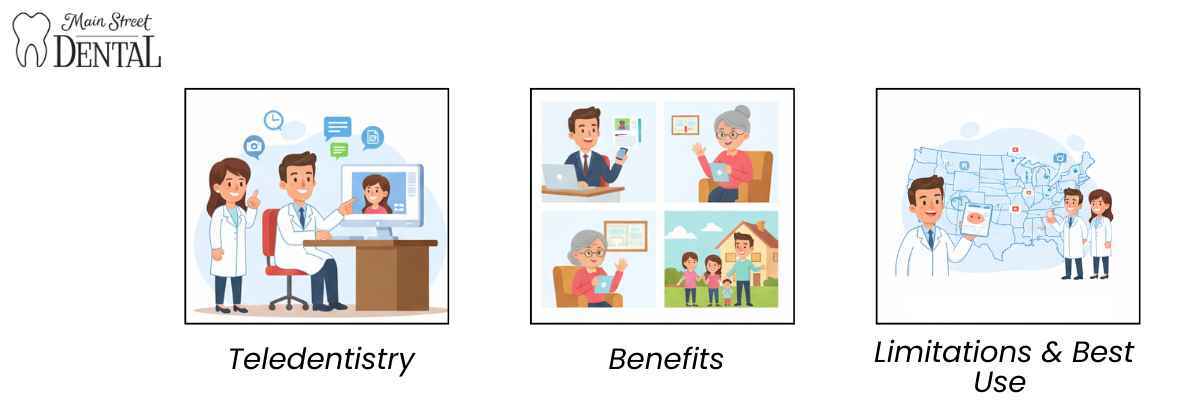
What Is Teledentistry?
Teledentistry is the practice of providing dental care remotely using digital technology. It allows dentists to consult with patients, review X-rays and scans, and provide advice without the need for an in-office visit.
Through secure video calls, online forms, and digital imaging, dentists can:
- Conduct virtual consultations
- Perform preliminary diagnosis and follow-ups
- Offer oral health guidance and preventive care tips
This technology is particularly helpful for routine check-ins and early assessment of dental issues.
Who Benefits the Most?
Teledentistry offers convenience and accessibility for a wide range of patients, especially:
- Busy professionals who find it difficult to schedule in-office appointments
- Seniors or patients with mobility issues who prefer care from home
- Residents in rural or underserved areas where dental clinics may be far away
By reducing travel and waiting times, teledentistry ensures timely dental care for patients who might otherwise delay treatment.
Limitations and Best Use Cases
While teledentistry is highly convenient, it cannot replace all in-office procedures.
It is ideal for:
- Initial consultations and case discussions
- Follow-ups after procedures
- Oral health education and preventive care advice
However, procedures such as fillings, extractions, root canals, and advanced imaging still require an in-person visit. Dentists often use teledentistry to triage cases, determine urgency, and provide guidance before scheduling a clinic visit.
Laser and Minimally Invasive Dentistry
Laser and minimally invasive dentistry use advanced technology to perform dental procedures with precision, less pain, and faster recovery. From treating gum disease to cosmetic reshaping, these techniques make dental care more comfortable and efficient for patients.
Laser Dentistry Explained
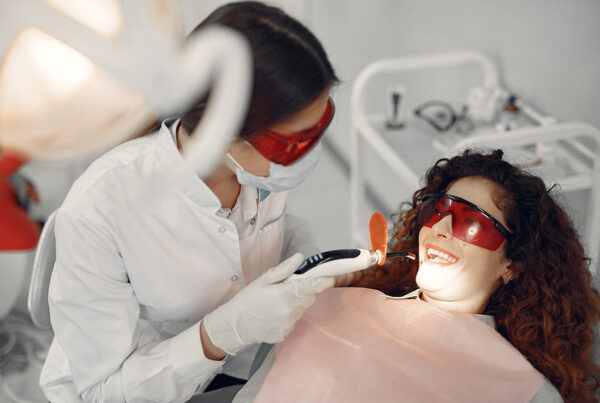
Laser dentistry is a modern technique that uses focused light energy to perform a variety of dental procedures with high precision. It is commonly used for soft tissue and gum treatments, such as reshaping gums, removing diseased tissue, and treating periodontal pockets. Lasers are also employed in cavity preparation, allowing dentists to remove decayed portions of teeth with minimal discomfort.
Advantages Over Traditional Methods
Compared to conventional dental tools, laser treatments offer less pain and bleeding, often reducing or eliminating the need for anesthesia. Patients experience faster recovery times, lower risk of infection, and more precise treatment, making dental visits more comfortable and efficient.
Ideal Procedures for Laser Dentistry
Laser technology is particularly effective for gum disease management, including gingivitis and periodontitis, as well as cosmetic reshaping procedures such as gum contouring, enhancing both health and smile aesthetics.
Advanced Dental Materials and Biocompatible Implants
Zirconia and titanium implants offer strength, durability, and natural aesthetics, ensuring long-lasting, biocompatible dental restorations.
Zirconia vs Titanium Implants
Modern dental implants are primarily made from zirconia or titanium, each offering unique advantages. Titanium implants are highly durable and have a long-standing clinical track record, making them ideal for most patients. Zirconia implants, on the other hand, are metal-free and biocompatible, reducing the risk of allergic reactions and offering excellent aesthetics, especially for visible teeth. Both materials provide reliable support for crowns, bridges, and dentures, but zirconia’s natural tooth-like color gives it a cosmetic edge for front teeth restorations.
Long-Term Benefits of Modern Materials
Advancements in implant materials ensure strength, longevity, and improved oral health. They integrate seamlessly with bone and gum tissues, preventing bone loss and supporting overall dental function. Patients also benefit from restorations that look natural, resist wear, and maintain oral hygiene effectively, providing a combination of durability, comfort, and aesthetics for years to come.
Regenerative Dentistry and Future Innovations
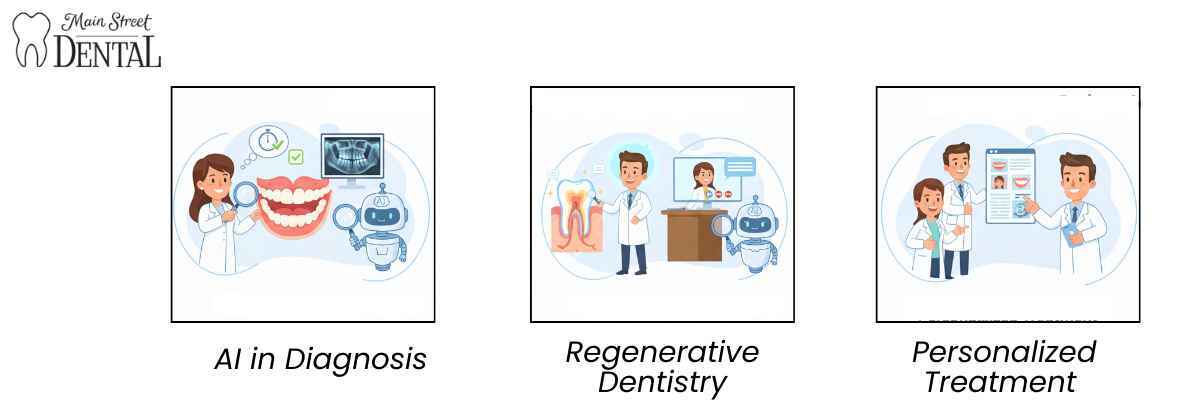
Stem cell research and tissue engineering are paving the way for gum, bone, and tooth regeneration. While fully regrowing adult teeth isn’t yet possible, advances in bioengineered teeth and regenerative therapies could make it a reality in the near future, reducing the need for implants and invasive procedures.
Stem Cell Research in Dentistry
Stem cell research in dentistry is showing promising results for tissue and bone regeneration. Scientists are exploring ways to use dental stem cells to repair damaged gums, periodontal tissue, and even jawbone, potentially reducing the need for invasive procedures like grafts and implants. Early studies suggest that these cells can stimulate natural healing processes and support faster recovery after dental surgeries.
Can Teeth Regrow in the Future?
While fully regrowing adult teeth is not yet possible, research is advancing rapidly. Current studies indicate that bioengineered teeth and regenerative therapies could become clinically viable within the next decade.
Patient-Centered Dental Experience in the USA
Patient-Centered Dental Experience in the USA focuses on personalized care, advanced technology, and patient comfort. Modern clinics use digital tools to improve communication, reduce anxiety, and tailor treatments to individual needs, ensuring better outcomes and a more comfortable dental visit.
Digital Smile Design (DSD) technology allows patients to preview their new smile before treatment begins. Using digital scans and facial analysis, dentists can visually demonstrate expected results, helping patients make confident, informed decisions.
To manage dental anxiety, many U.S. clinics now use virtual reality (VR), noise-canceling tools, and comfort-focused techniques that create a calm, stress-free environment during procedures.
Personalized treatment plans ensure care is tailored to each patient’s oral health, lifestyle, and goals. This customized approach improves comfort, treatment accuracy, and long-term dental outcomes while enhancing overall patient satisfaction.
FAQs – Modern Dentistry in the USA
Is AI safe in dental diagnosis?
Yes. AI tools used in dentistry are FDA-reviewed and designed to assist dentists, not replace them. They help detect cavities, gum disease, and bone loss earlier and with greater accuracy, improving treatment outcomes.
Are laser dental treatments painful?
Laser dentistry is generally less painful than traditional methods. Most procedures cause minimal discomfort, require little or no anesthesia, and promote faster healing with reduced bleeding and swelling.
Is teledentistry covered by insurance?
Many dental insurance providers in the USA now offer partial or full coverage for teledentistry services, especially for consultations, follow-ups, and emergency assessments. Coverage depends on your plan and state regulations.
Are zirconia implants better than titanium?
Zirconia implants are an excellent alternative for patients with metal sensitivities and offer superior aesthetics. Titanium implants, however, remain the most widely used due to their proven strength and long-term success. The best option depends on individual needs.
How often should I visit a dentist in the USA?
Most adults should visit the dentist every six months. Patients with gum disease, diabetes, or higher risk factors may need more frequent visits.
Final Thoughts – The Future of Dentistry in the USA
Dentistry in the USA is moving toward smarter diagnostics, more comfortable treatments, and truly patient-first care. With AI-powered tools, minimally invasive technologies, and personalized treatment plans, modern dental care is becoming faster, safer, and more accessible than ever.