
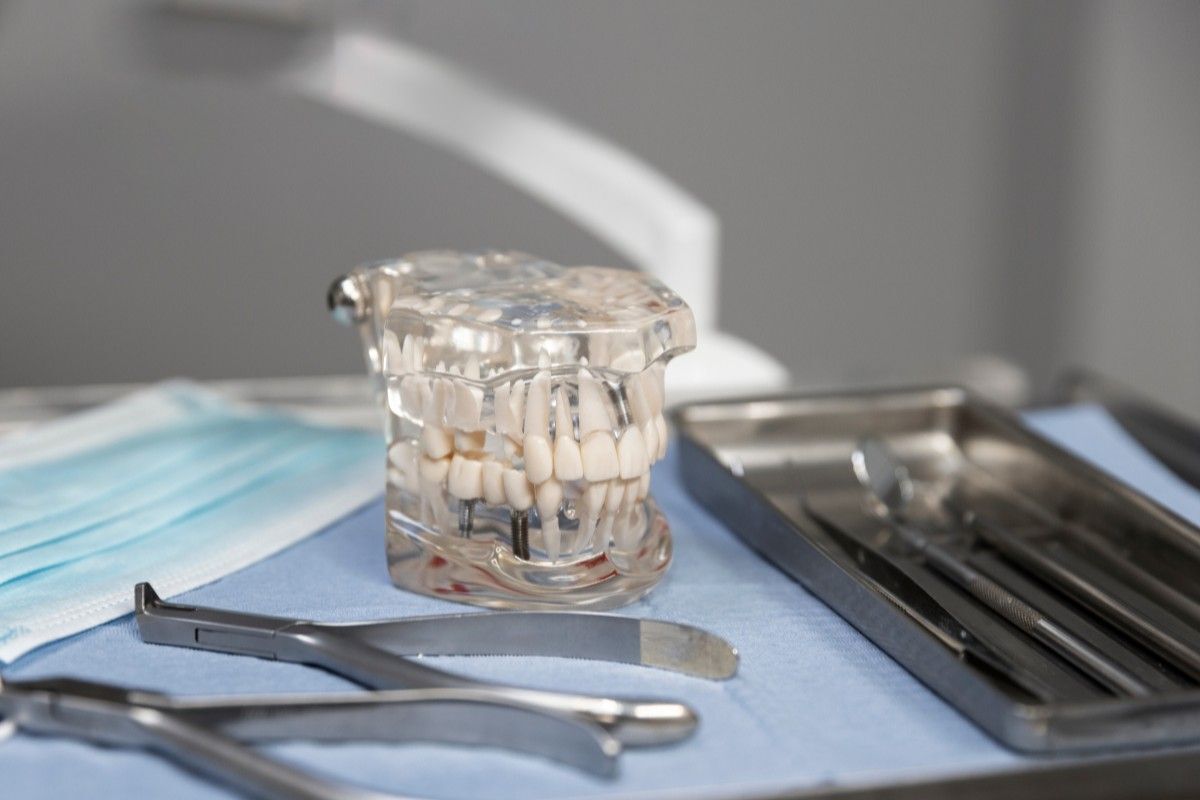

Dental implants are one of the most reliable and long-lasting solutions for missing teeth, but for most people in the U.S., the first and most important question is simple: how much do dental implants cost? As part of modern restorative dentistry, implants are designed to replace both the tooth and its root—making them very different from traditional dentures or bridges.
This 2025–2026 guide explains the true cost of dental implants in the USA, what’s included (and what’s not), the biggest factors that affect pricing, full-mouth implant options, insurance and financing strategies, and whether dental implants are truly worth the investment long term.
I. What Does a Single Dental Implant Cost in the USA?
Average Dental Implant Cost (2025–2026)
In the United States, the total cost for a single dental implant, including the implant post, abutment, and crown, typically ranges between $3,000 and $6,000 per tooth as of 2025. This figure reflects the complete tooth replacement procedure rather than just the implant screw itself.
Unlike simpler dental procedures with fixed fees, dental implants involve multiple components and surgical steps, which is why prices vary so widely across the country.
Many clinics advertise only the cost of the implant post (the titanium screw) to make the price look lower. Quotes significantly below the typical range often exclude the abutment, crown, or necessary scans and lab work, which leads to unexpected charges later in the treatment process.
II. What’s Included in the Total Dental Implant Cost?
A dental implant is not a single item, it is a three-part tooth replacement system. For an implant to function, look natural, and last long term, all three components must be included in the total price. Understanding these parts helps patients avoid misleading quotes and unexpected costs.
1. Implant Post (Artificial Tooth Root)
- A biocompatible titanium or ceramic (zirconia) screw placed directly into the jawbone.
- Surgically inserted and left to fuse with the bone through a process called osseointegration.
- Serves as the foundation that supports the replacement tooth.
- While critical to success, this is often not the most expensive part of the overall treatment.
2. Abutment (Connector Piece)
- A custom-fitted connector that attaches to the implant post after healing.
- Extends slightly above the gumline to support the crown.
- Ensures proper fit, bite alignment, and gum aesthetics.
- Frequently billed separately, which is why patients should confirm its inclusion in any quote.
3. Dental Crown (Visible Tooth)
- The custom-made porcelain or ceramic tooth that looks and functions like a natural tooth.
- Fabricated by a dental laboratory for precise shape, color, and bite.
- Designed to match surrounding teeth for a natural appearance.
- Often the most expensive component due to advanced materials, lab fees, and esthetic customization.
A price quote that only includes the implant post does not represent the true cost of a dental implant. Always confirm that the implant, abutment, and crown are all included to understand the full investment upfront.
III. Hidden & Additional Costs Patients Often Miss
| Service | Typical Cost (USA) |
| Consultation & Exam | $100 – $350 |
| 3D CBCT Scan | $300 – $600 |
| Tooth Extraction | $150 – $500 |
| IV Sedation | $500 – $1,500+ |
IV. 5 Key Factors That Affect Dental Implant Cost in the USA
Dental implant pricing is not fixed because each case is medically and surgically unique. The final cost depends on a combination of location, provider expertise, materials used, and the condition of your jawbone.
1. Location of the Dental Clinic
Where you receive treatment has a direct impact on implant cost due to differences in overhead, labor, and operating expenses.
- Major metropolitan areas (New York City, Los Angeles, Chicago): Implant costs are typically 20–50% higher due to increased rent, staffing, and laboratory fees.
- Suburban or smaller cities: Clinics often offer more competitive pricing while maintaining the same clinical standards.
- Treatment outside metro centers: Some patients reduce overall costs by traveling short distances to nearby suburban practices, especially for full-arch procedures.
2. Surgeon Experience and Specialty
The provider performing the implant procedure plays a major role in both cost and long-term success.
- General Dentists: Often charge lower fees but may have limited experience with complex or high-risk implant cases.
- Specialists (Oral Surgeons, Periodontists, Prosthodontists): Higher fees reflect advanced surgical training, specialized equipment, and higher success rates, especially in cases involving bone loss or full-mouth restoration.
Paying more for experienced specialists often reduces the risk of implant failure, revision surgery, and additional long-term costs.
3. Implant Brand and Material Quality
Not all dental implants are the same. Brand quality directly affects durability, healing, and future maintenance.
Premium implant brands such as Straumann, Nobel Biocare, and Dentsply Sirona:
- Supported by decades of clinical research
- Designed for superior bone integration (osseointegration)
- Offer long-term component availability and global support
Lower-cost or generic implants may reduce upfront cost but can create challenges if replacement parts are unavailable or if long-term performance data is limited.
4. Bone Grafting and Adjunct Procedures
Jawbone condition is one of the most significant cost variables in implant dentistry. If bone loss is present, additional procedures may be required before implant placement.
| Procedure | Purpose | Typical Cost (USA) |
| Bone Grafting | Restores jawbone volume | $800 – $3,500 |
| Sinus Lift | Adds bone to upper jaw | $1,500 – $4,500 |
| Tooth Extraction | Removes damaged tooth | $150 – $500 |
Bone loss is the leading reason dental implant costs increase, especially in patients who have been missing teeth for several years.
5. Number of Implants Required
The total number of implants needed significantly impacts cost efficiency.
- Single-tooth implant: Highest cost per tooth because all surgical and restorative components are dedicated to one replacement.
- Multiple or full-arch implants: Lower cost per tooth due to shared support structures, making full-arch solutions more cost-effective for patients missing several teeth.
V. Full Mouth Dental Implant Costs (2025–2026)
When replacing an entire arch or both arches of teeth, the cost of dental implants varies widely because of differences in surgical technique, materials, preparation needs, and provider experience. Here’s how the major full-mouth options compare:
A. All-on-4 / All-on-6 Dental Implants
Typical Cost per Arch (USA, 2025–2026): $18,000 – $35,000+ per arch
What It Is: All-on-4 and All-on-6 implant protocols use 4 to 6 implants strategically placed in the jaw to support an entire arch of fixed prosthetic teeth. These are often called “hybrid” restorations or fixed bridges.
Why Patients Choose It:
- Fewer implants mean lower cost than traditional full-arch implants
- Often allows same-day provisional teeth
- Good option for patients with moderate bone loss or full arch tooth loss
What’s Usually Included in This Range:
- Implant placement surgery (4–6 implants)
- Abutments and prosthetic bridge or hybrid denture
- Initial consultation, 3D imaging, and treatment planning
- Temporary and final fixed prosthesis
Variations in price usually depend on materials (acrylic vs. zirconia), clinic location, and complexity of preparatory work.
Pros:
- Lower cost per arch compared to traditional full implant protocols
- Faster rehabilitation
- Often fewer preparatory surgeries needed
Cons:
- Final bridge materials (especially zirconia) can raise cost
- Not always suitable for patients with severe bone loss
B. Traditional Full Arch (More Implants & Zirconia Bridge)
Typical Cost per Arch (USA, 2025–2026): $30,000 – $60,000+ per arch
What It Is: This approach involves placing more implants (usually 6–8 or more per arch) to support a solid fixed bridge, often made from premium zirconia or porcelain materials.
Why Patients Choose It:
- Superior durability and chewing force distribution
- Highly customized, lifelike esthetics
- Better long-term performance in many clinical situations
Pros:
- Most natural look and feel
- Great for patients with high functional and esthetic expectations
- Excellent long-term outcomes when done properly
Cons:
- Higher cost due to more implants and often premium materials
- Longer treatment timeline in some cases
Hybrid vs. Traditional Zirconia Bridges
| Feature | Hybrid Denture | Zirconia Fixed Bridge |
| Typical Cost | Lower end of price range | Higher end of price range |
| Material | Acrylic over metal/titanium frame | Solid or layered zirconia |
| Durability | Good, but can wear/chip | Superior, highly durable |
| Esthetics | Natural but limited | Most lifelike and stain-resistant |
| Maintenance | More frequent adjustments | Minimal maintenance |
Hybrid Denture: Often acrylic prosthesis attached to implants. Less expensive upfront, but may require more future maintenance.
Zirconia Bridge: Premium ceramic that mimics natural teeth, resists staining and wear, and can last decades with sound hygiene. It usually costs more but offers higher long-term value.
Full Mouth Cost Context (Upper + Lower Arches)
Combining both arches naturally doubles the investment:
- All-on-4 / All-on-6: ~$36,000 – $70,000+ total
- Traditional full arch with more implants and zirconia: ~$60,000 – $100,000+ total.
These ranges account for:
- Implants and prosthesis materials.
- Surgical and restorative procedures.
- Imaging, consultation, and follow-ups.
- Temporary prosthetics during healing.
VI. Making Dental Implants Affordable in the USA
Dental implants are a long-term investment, but paying the full cost upfront is not required. Most U.S. dental practices offer multiple financing and benefit-based options that allow patients to spread payments over time while still receiving high-quality care.
A. Financing Options for Dental Implants
- Medical Credit Cards (CareCredit, Alphaeon Credit)
Medical credit cards are widely accepted at dental clinics across the United States.
- Offer 0% interest promotional periods (typically 6, 12, or 18 months)
- Best suited for patients who can pay off the balance within the promotional period
- Missed or late payments may trigger deferred interest on the full amount
Best for: Single implants or smaller treatment plans with short repayment timelines.
- Medical & Dental Loans (Proceed Finance, LendingClub, GreenSky)
These lenders specialize in larger medical and dental procedures.
- Loan amounts typically range from $10,000 to $70,000
- Repayment terms of 36 to 84 months
- Fixed monthly payments with predictable interest rates
Best for: Full-mouth dental implants (All-on-4, All-on-6) or complex cases requiring multiple procedures.
- In-House Dental Payment Plans
Many independent dental practices offer internal payment plans.
- Often interest-free
- Monthly installments paid directly to the clinic
- Usually require a down payment
Best for: Patients seeking flexibility without using third-party lenders.
B. Insurance, HSA, and FSA Cost-Reduction Strategies
Dental Insurance: What’s Typically Covered
Most traditional dental insurance plans do not cover the implant post itself. However, coverage often applies to related procedures:
- Tooth extractions
- Bone grafting or ridge preservation
- Implant crown or implant-supported denture
Smart Strategy: If treatment is split across two calendar years, patients may be able to use two annual insurance maximums, reducing out-of-pocket costs.
Medical Insurance (Limited but Possible)
Medical insurance may provide partial coverage only when implants are medically necessary, such as:
- Facial trauma or accidents
- Tumor or cyst removal
- Congenital conditions or disease-related tooth loss
A pre-determination submission is required to confirm eligibility.
HSA & FSA Accounts (Highly Recommended)
Health Savings Accounts (HSA) and Flexible Spending Accounts (FSA) can be used for dental implants.
- Paid using pre-tax dollars
- Can significantly reduce total cost based on your tax bracket
- Applicable to surgery, crowns, grafting, and related procedures
✔ One of the most effective and underused ways to lower implant costs in the U.S.
VII. Are Dental Implants Worth the Cost?
Long-Term Cost & Value Comparison
| Factor | Dental Implant | Dental Bridge | Denture / Partial |
| Average Lifespan | 20–30+ years (often decades with proper care) | 5–15 years | 5–8 years |
| Jawbone Preservation | Yes (stimulates bone like a natural root) | No | No |
| Impact on Nearby Teeth | None | Requires shaving healthy teeth | May stress or loosen anchor teeth |
| Long-Term Cost Pattern | Mostly one-time investment | Multiple replacements over time | Ongoing relines, repairs, replacements |
Why Dental Implants Offer Better Long-Term Value
While dental implants typically cost more upfront, they often cost less over a lifetime due to their durability and biological benefits:
- Fewer replacements: Implants are designed to last decades, whereas bridges and dentures require periodic replacement
- Jawbone preservation: The implant post functions like a natural tooth root, helping prevent bone loss and facial collapse
- Lower future surgical risk: Maintaining bone reduces the likelihood of needing costly bone grafts later
- Improved chewing efficiency: Implants restore near-natural bite strength, supporting nutrition and digestion
- Stable, fixed solution: No adhesives, slipping, or daily removal
Dental implants are currently the only tooth replacement option that actively preserves jawbone health.
Final Verdict: Dental Implant Cost vs Long-Term Value
Dental implants do carry a higher initial cost, but they provide superior longevity, stability, and oral health benefits compared to bridges and dentures. When long-term maintenance, repeated replacements, and bone loss are considered, implants are often the most cost-effective solution over time.
At Main Street Dental, this long-term approach is central to how implant treatment is planned, focusing not just on replacing a missing tooth, but on preserving jawbone health, bite stability, and facial structure for the future.
Choosing a dental implant is not just about restoring your smile today; it’s about protecting your jawbone, facial structure, and overall oral health for decades to come with the guidance of an experienced dental team.