

If you’re a parent in Newark, DE, you’re likely concerned about your child’s oral health—and one important question that often comes up is whether dental sealants are truly safe for kids. With childhood tooth decay still one of the most common preventable diseases, parents want reliable, science-backed information before making any decision. This blog breaks down everything Newark families need to know, including expert insights, updated research, safety concerns, and practical guidance to help you make an informed choice.
If you want to dive deeper into how dental sealants work and when they’re recommended, you can get more information through our detailed page here: Get more information.
1. What Are Dental Sealants Safe for Kids, and Why Are They Recommended?
Dental sealants are thin, protective plastic coatings applied to the chewing surfaces (pits and fissures) of molars and premolars. According to the American Dental Association (ADA), sealants form a physical barrier that prevents food particles and bacteria from settling in hard-to-clean grooves, significantly reducing the risk of cavities.
In children and adolescents, the ADA and the American Academy of Pediatric Dentistry (AAPD) strongly recommend sealants on both primary (baby) and permanent molars.
2. How Effective Are Sealants?
- The CDC reports that sealants can prevent up to 80% of cavities on molars during the first two years after application, and remain about 50% effective after four years.
- Long-term studies show that sealants are one of the most cost-effective and preventive treatments available.
- Importantly, clinical guidelines confirm that sealants not only prevent new decay, but can also stop the progression of early (non-cavitated) caries lesions.
3. Are There Safety Risks? What About BPA?
A common concern among parents is Bisphenol-A (BPA), a chemical sometimes associated with plastic products. Here’s a breakdown of what the research says:
BPA Exposure from Sealants
- The ADA acknowledges that very low levels of BPA may be released from resin-based sealants shortly after application, but says there is no significant health risk based on existing evidence.
- According to their Professional Product Review, the BPA exposure from sealants is far below safety limits, including those set by the U.S. Environmental Protection Agency (EPA).
- A study based on NHANES data looked at urinary BPA levels in children and found no statistically significant link with the number of sealants or restorations.
- Dental organizations, including the Association of State and Territorial Dental Directors (ASTDD), support continued use of sealants while following careful application practices to minimize any BPA release.
Risk Mitigation
Dentists can further reduce any potential BPA exposure by:
- Thoroughly cleaning and isolating the tooth before application
- Rinsing or wiping the surface after sealant placement
- Using BPA-derivative materials that release negligible BPA
- Educating parents about why benefits generally outweigh theoretical risks
4. Is It Safe for Kids Specifically (Especially in Newark, DE)?
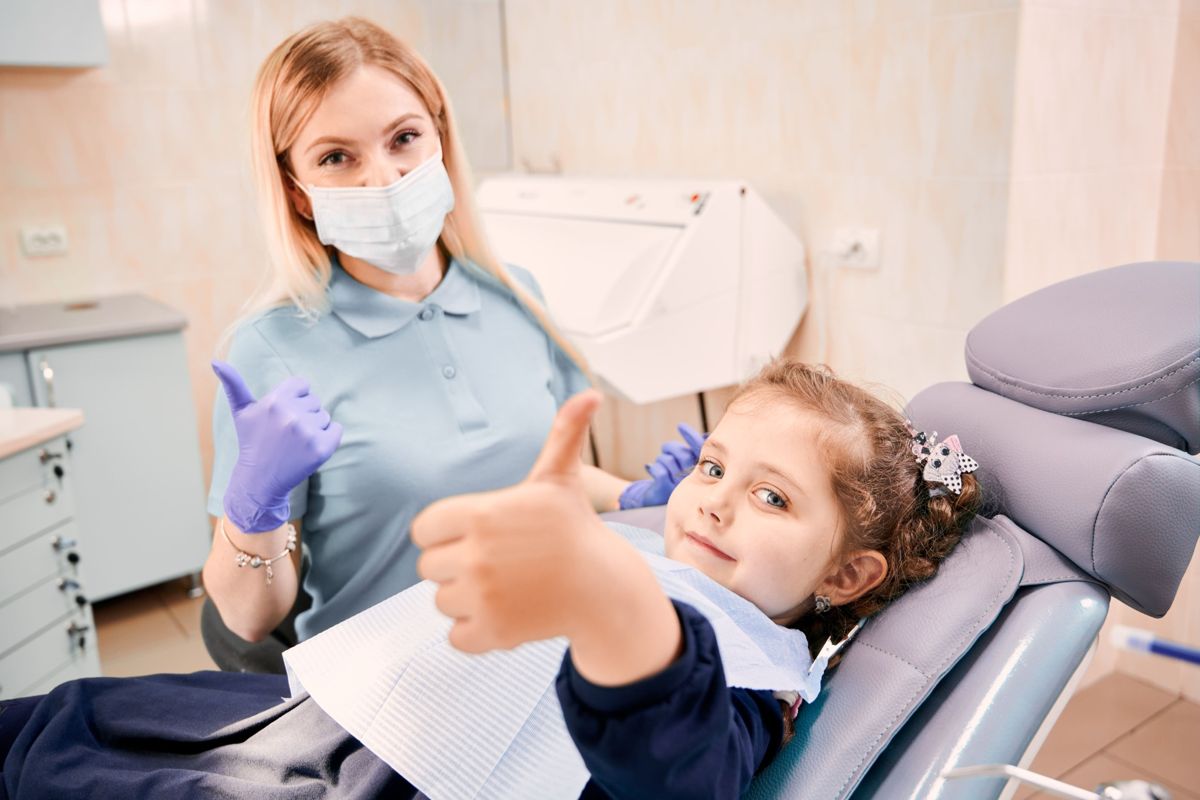
Yes, according to national and international guidelines, dental sealants are considered very safe for children, when placed correctly by a qualified pediatric dentist or hygienist.
- Experts agree that when dental sealants are applied with proper isolation and cleaning, the risk of adverse effects is extremely low.
- The ADA’s systematic review found no strong evidence to prefer one type of sealant (resin vs glass ionomer) over another strictly based on safety, so dentists can choose based on child risk and clinical situation.
- Even long-term studies show that sealants do not pose cumulative risks that outweigh the benefit of preventing cavities.
5. What About the Practical Steps — How Sealants Are Applied
Here’s a simple breakdown (so you can explain to your child or feel confident yourself):
- Dry and Clean the Tooth: The dentist or hygienist will isolate the tooth and clean the surface.
- Etch the Surface: A mild acidic gel (etchant) makes the tooth surface slightly rough so sealant adheres properly.
- Apply the Sealant: The liquid sealant material is “painted” on.
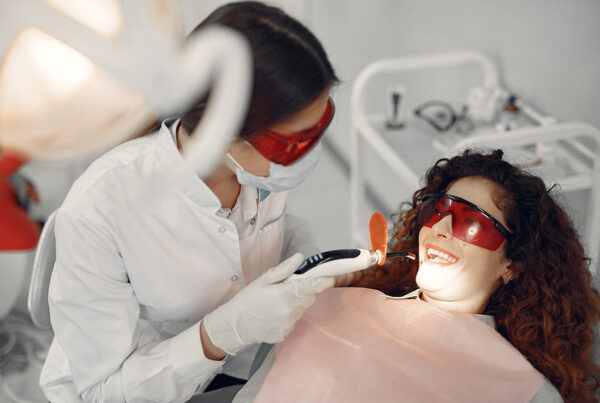
- Cure (Harden): A special light or chemical reaction hardens the sealant.
- Check the Sealant: The dentist will make sure it’s well-bonded and does not interfere with your child’s bite.
- Monitor Over Time: In follow-up check-ups, the sealant is checked, and if it’s worn out, it can be repaired or replaced.
6. Specific Considerations for Newark, DE Parents
When thinking about sealants for your child in Newark, DE, consider these local-context factors:
- Access to Pediatric Dental Care: Ask your local Newark dentist or pediatric dental clinic if they follow ADA/AAPD guidelines for sealants, and whether they use BPA-minimizing techniques.
- Insurance Coverage: Many dental insurance plans cover sealant placement for children. Ask your provider to check for CDT code 1351 (often used for sealants).
- School Dental Programs: In some U.S. regions, school-based sealant programs help children get preventive care. While Delaware-specific options may vary, local public health offices or dental clinics might run such initiatives.
- Routine Check-Ups: Even after getting sealants, it’s important to continue regular dental visits every 6 months so the dentist can inspect the sealant and reapply if required.
7. Expert Insights: Why Dentists Recommend Sealants
Here’s what pediatric dentistry experts recommend and why:
- Preventive Power: Sealants are one of the most effective preventive tools against cavities in back teeth, particularly for children.
- Long-Term Cost Savings: By avoiding cavities, sealants help reduce the need for more expensive treatments later on.
- Guideline Support: Leading professional bodies strongly recommend sealants for at-risk children (deep grooves, previous decay, difficulty cleaning).
- Minimal Risk: While trace amounts of BPA may be released, the exposure is very low and not considered harmful — especially when proper technique is used.
8. Addressing Parent Concerns
Here are some common questions parents in Newark, DE, might ask, with clear, evidence-based answers:
| Question | Answer |
|---|---|
| Will sealants hurt my child? | No — the application is painless. There’s no drilling in most cases. |
| Do sealants last for many years? | Yes — many last for 4 years or more, with periodic check-ups to repair if needed. |
| Is BPA exposure dangerous? | Studies show only very minimal exposure, far below health risk levels. Dentists use safe materials and techniques. |
| Is it worth it if my child brushes well? | Yes — even with good brushing, sealants protect hard-to-clean grooves where cavities often start. |
| Does insurance cover this? | Often yes — many plans cover sealants for children. Ask your dentist to check. |
If you’re a dentist clinic in Newark, DE or a parent looking for care, consider the following:
- Use Google Business Profile (GBP) optimized with keywords like: “pediatric dentist Newark DE”, “children dental sealants Newark”, “affordable sealants Newark Delaware”.
- Add FAQ sections on your website with structured data:
- Are dental sealants safe for kids?
- How long do sealants last?
- Can sealants wear off and need to be replaced?
- Create local content around “Newark DE school sealant programs” or community dental health initiatives.
- Optimize for voice search: “Is it safe to get dental sealants for my child in Newark Delaware?”
9. Conclusion
Dental sealants are a very safe, highly effective preventive treatment for children, even in the long term. Major health organizations like the ADA and CDC support their use, and evidence strongly favors the benefits over any minimal risk of BPA exposure.
If you’re a parent in Newark, DE, talk to your dentist, or reach out to Main Street Dental, about sealants at your next visit. Ask whether they use BPA-minimizing techniques, what type of sealant they recommend, and how often they check or reapply them.
Protect your child’s smile with trusted care. Early prevention is the key to long-term oral health.