


A dental abscess is a serious infection, and cases are rising in the USA. Ignoring early symptoms can lead to severe pain, swelling, and emergency visits. Knowing the warning signs helps prevent major health risks and ensures timely, life-saving treatment. For comprehensive care, parents and patients can explore Main Street Dental’s full range of dental services to prevent and treat infections.
Why Dental Abscess Symptoms Are Rising in the USA (2025)
Dental abscess cases are rising across the USA, leading to a noticeable increase in dental emergency symptoms USA clinics are reporting in 2025. More patients are rushing to emergency rooms with severe swelling, throbbing pain, and infection, often because they ignored early symptoms of dental abscess. Studies show that untreated dental infections can spread quickly, posing serious abscess tooth health risks, including facial swelling, fever, and even hospitalization. Understanding these symptoms early is crucial, as prompt treatment can prevent complications and save the affected tooth. This guide explains the warning signs every patient in the USA should recognize immediately. Learn more about preventive dental care and emergency services available at Main Street Dental.
What Is a Dental Abscess?
A dental abscess is a pocket of pus caused by a bacterial infection inside the tooth or gum. It can form at the root of a tooth (tooth abscess) or in the gum tissue (gum abscess) and usually results from untreated cavities, gum disease, or trauma. These infections lead to oral abscess symptoms such as swelling, redness, and severe pain. A quick explanation: A dental abscess is a serious infection that causes pus buildup, intense discomfort, and requires urgent dental treatment to prevent complications.
Early Signs of Dental Abscess You Should Never Ignore
1. Early signs of dental abscess in adults & children
The early signs of dental abscess often start small and are easy to overlook. Adults and children may notice mild pain, sensitivity to hot or cold foods, or slight redness around the gumline. These symptoms may seem normal at first, but they are often the earliest signs of dental abscess developing beneath the tooth or gum. Treating it early can prevent severe infection and swelling.
2. Abscessed tooth pain symptoms
As the infection worsens, the pain becomes sharper and more intense. Many patients report abscessed tooth pain symptoms such as throbbing discomfort, abscess pain in the jaw and cheek, and pain that radiates toward the ear or neck. This usually indicates the abscess is growing.
3. Dental infection warning signs
Other common dental infection warning signs include a bad taste in the mouth, fever, or noticeable swelling. These symptoms mean the infection is spreading and requires urgent dental care to prevent complications.
Main Symptoms of a Dental Abscess (Complete USA Checklist)
Common Symptoms
The most noticeable symptoms of a dental abscess usually start with throbbing pain that becomes worse when chewing or touching the tooth. Many patients also experience red or swollen gums, especially around the infected area. Another warning sign is pus discharge, which may leave a bad taste in the mouth. Tooth sensitivity to hot, cold, or sweet foods is also common as the infection irritates the nerve inside the tooth.
Severe Symptoms
If the infection spreads, swollen gum infection symptoms can escalate into more serious issues such as facial swelling, which indicates deeper tissue involvement. Difficulty swallowing or opening the mouth may signal that the infection is moving toward the throat. Fever and chills are additional red flags and may point to abscess tooth health risks, including the infection spreading to other parts of the body.
Tooth Abscess Symptoms vs Gum Abscess Symptoms
A tooth abscess usually develops inside the tooth or at the root, causing deep, throbbing pain, sensitivity to hot or cold, facial swelling, and pain that radiates to the jaw or ear. In contrast, a gum abscess forms on the surface of the gum, leading to a visible swollen bump, redness, tenderness, and pus discharge. Understanding dental abscess symptoms vs normal toothache is crucial because normal toothaches do not typically cause swelling or fever. Recognizing whether symptoms point to a tooth abscess or gum abscess helps you seek the right emergency dental treatment quickly.
What Are the First Signs of a Tooth Abscess?
The first signs of a tooth abscess are usually persistent throbbing pain, swelling around the gum, sensitivity to hot or cold, and a small pimple-like bump on the gum. You may also notice a bad taste in your mouth or pressure when biting. If you’re wondering how to know if you have a dental abscess, watch for sudden facial swelling, fever, or pain spreading to the jaw or ear. These early symptoms mean the infection is growing and needs prompt dental care.
Dangerous Symptoms: When Tooth Infection Is Spreading in the Body
Symptoms of Tooth Infection Spreading
When a dental abscess is not treated quickly, the infection can travel beyond the tooth and enter the bloodstream or surrounding tissues. Common symptoms of tooth infection spreading include a high fever, chills, or feeling unusually weak. Many patients also experience a rapid heartbeat as the body fights the infection. In more severe cases, breathing difficulty or trouble swallowing may occur, which indicates the infection is moving deeper into the neck or chest. These are serious dental abscess symptoms spreading to the body and require emergency care.
Signs Your Tooth Infection Is Getting Worse
If you notice increasing swelling in your face, cheek, or jaw, it means the infection is progressing. Another warning sign is pain radiating to the ear, jaw, or neck, which often signals that the abscess is expanding. These are clear signs your tooth infection is getting worse and should not be ignored. Seek urgent dental or medical treatment immediately.
Can a Dental Abscess Cause Swelling in the Face?
Yes. A dental abscess can cause noticeable swelling in the face when the infection spreads from the tooth or gum into the surrounding tissues. As bacteria multiply, pus builds up, creating pressure that leads to cheek, jaw, or under-eye swelling. Facial swelling is a red-flag symptom indicating the infection is progressing. If the swelling spreads toward the eyes, neck, or airway, it can become dangerous and may require emergency treatment. Immediate dental care is essential to prevent complications like cellulitis or a deep facial infection.
Dental Abscess Symptoms Requiring Emergency Care in the USA
When to Go to ER for Dental Abscess
Most dental abscesses can initially be treated by a dentist. However, certain symptoms indicate a medical emergency where you should go to the ER immediately. If the infection spreads rapidly or affects breathing, swallowing, or your overall health, prompt hospital care is crucial. In ER vs dentist scenarios, the ER handles life-threatening complications like airway obstruction, high fever, or systemic infection, while a dentist addresses localized pain, drainage, or antibiotics for mild cases.
Dental Abscess Symptoms That Need Emergency Care
Watch for breathing trouble, severe swelling in the face or neck, fever, or difficulty swallowing. These are clear signs that a dental infection has escalated. Recognizing dental emergency symptoms in the USA early can prevent serious complications, including sepsis. Always act quickly if these symptoms appear.
Dental Abscess Symptoms That Require Antibiotics
Not every dental abscess requires antibiotics, but they are crucial when the infection shows signs of spreading or worsening. Symptoms that indicate the need for antibiotics include persistent fever, swelling that extends beyond the gums, severe pain unrelieved by over-the-counter medication, and pus draining continuously from the tooth or gum. Children, elderly patients, or individuals with weakened immune systems are particularly at risk and may need prompt antibiotic treatment to prevent complications. Antibiotics do not replace dental procedures like drainage, root canals, or extractions, but they help control infection and reduce systemic spread. Always consult a licensed dentist or oral healthcare professional in the USA before starting antibiotics, as inappropriate use can lead to resistance or ineffective treatment.
How Fast Can a Dental Abscess Spread?
A dental abscess can progress faster than many people realize. While some abscesses develop slowly over days or weeks, others can spread rapidly within 24–48 hours, especially if untreated. Early symptoms, mild toothache, gum tenderness, or swelling, can escalate to facial swelling, fever, and severe pain. Contrary to common myths, not all abscesses spread at the same rate; factors like immune response, location of infection, and underlying health determine speed. Upper tooth abscesses can affect sinuses, eyes, or jawbone, increasing abscess tooth health risks. Recognizing early warning signs and seeking immediate dental care can prevent serious complications, including systemic infection or sepsis.
Dental Abscess and Sinus Infection Connection
A dental abscess in the upper teeth, particularly the molars, can sometimes affect the sinuses, creating a condition known as odontogenic sinusitis. The infection can spread from the tooth roots to the sinus cavity, leading to head pressure, congestion, and post-nasal drip. Patients may notice a constant feeling of fullness in the cheeks or around the eyes. Recognizing the dental abscess and sinus infection connection is crucial because untreated infections can worsen and require emergency intervention.
Dental Abscess Headaches, Ear Pain & Neck Pain
Pain from a dental abscess doesn’t always stay localized to the tooth. Through nerve pathways, infection or inflammation can radiate, causing headaches, earaches, jaw pain, and even neck discomfort. This phenomenon explains why many patients with upper tooth abscesses experience diffuse facial pain. Short-term swelling and throbbing can indicate that the infection is spreading, making it essential to seek prompt care. Understanding dental abscess headaches and ear pain and abscess pain in jaw and cheek helps in early detection and prevents complications.
Is a Dental Abscess Life-Threatening?
While most dental abscesses are treatable, they can become life-threatening if left untreated. Infection can spread from the tooth to the jaw, face, and bloodstream, potentially causing sepsis, a severe, body-wide response to infection. According to USA hospital data, thousands of patients are admitted annually for severe dental infections. Warning signs include high fever, swelling that spreads to the face or neck, difficulty breathing, and confusion. Immediate dental or emergency care is critical to prevent complications.
Dental Abscess Treatment Symptoms: What Happens During Healing?
After treatment, such as drainage, antibiotics, or root canal, patients may notice mild pain, gum tenderness, or slight swelling. These are normal healing symptoms. Persistent fever, worsening pain, or pus discharge indicate complications requiring follow-up. Proper oral hygiene, prescribed antibiotics, and regular dental check-ups ensure full recovery and prevent reinfection.
Dental Abscess Symptoms People Ignore
Many Americans unknowingly ignore early warning signs of a dental abscess, which can lead to serious complications. Commonly overlooked symptoms include small gum pimples, a bitter taste in the mouth, and mild swelling around the affected tooth. While these may seem minor, they often indicate a hidden infection that can worsen quickly if left untreated. According to recent trends, these are some of the “deadly dental abscess symptoms people ignore” in the USA, especially among busy adults and parents who delay dental visits.
How Dangerous Is an Untreated Tooth Abscess?
If a dental abscess is left untreated, the infection can spread rapidly, causing permanent tooth loss, jawbone infection, facial cellulitis, and in rare cases, life-threatening conditions like sepsis. Children and seniors are particularly at risk, as their immune systems may struggle to fight off the infection. Ignoring early signs can turn a simple cavity into a serious medical emergency, highlighting the importance of prompt dental care.
Diagnosis & Treatment Options in the USA
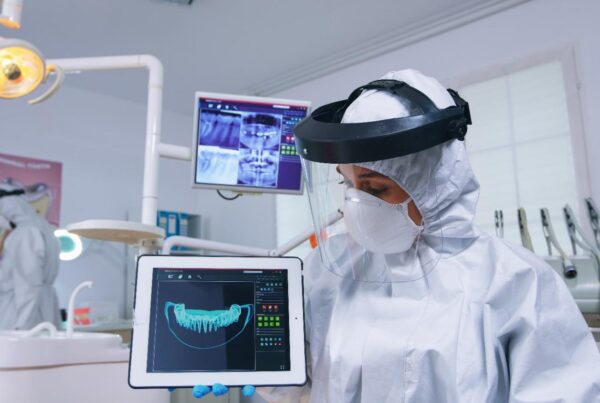
Examination: Dentists use X-rays or CBCT scans to locate the abscess and determine its severity.
Treatment: Depending on the infection, options include drainage, root canal therapy, antibiotics, or, in severe cases, tooth extraction. Early intervention ensures faster recovery and reduces the risk of complications.
Prevention Tips for USA Patients
Maintain optimal oral hygiene by brushing twice daily, flossing, using antibacterial mouthwash, and scheduling regular dental checkups. These practices help prevent abscess formation and protect your overall health.
FAQs
Can I treat a dental abscess at home?
No, a dental abscess requires professional care. Home remedies may temporarily reduce pain but cannot eliminate the infection.
How long does a dental abscess last?
Without treatment, it can worsen quickly, often within days.
Can antibiotics cure a dental abscess?
Antibiotics help control infection but usually must be combined with drainage, root canal, or tooth extraction for full resolution.
Conclusion – Act Fast, Save Your Tooth & Health
Prompt recognition and treatment of dental abscess symptoms are critical. Ignoring them can lead to severe complications, but early care preserves teeth, prevents infection spread, and safeguards your health.