

Dentistry is entering a new era. In 2026, dental care is no longer limited to manual tools, long appointments, or guesswork. Advanced technology is reshaping how dentists diagnose problems, plan treatments, and deliver faster, more accurate results. Patients today expect comfort, speed, and precision, and modern dental technology is meeting those expectations.
From artificial intelligence to 3D printing and digital workflows, new dental technologies in 2026 are improving patient experiences while helping clinics work smarter and more efficiently. Let’s explore the most important innovations shaping the future of dentistry and what they mean for patients and dental practices.
Why Dental Technology Is Rapidly Evolving
The demand for better dental care is growing due to:
- Increased awareness of oral health
- Higher expectations for pain-free treatment
- Time constraints of modern lifestyles
- Demand for accurate, long-lasting results
Digital dentistry and automation are now essential, not optional, especially for a modern Newark Dental Clinic. Clinics that adopt new dental technologies stay competitive, while patients benefit from safer, faster, and more personalized care.
1. Artificial Intelligence in Dentistry
AI is one of the biggest dental technology trends in 2026. It is transforming diagnostics, treatment planning, and patient communication.
AI-powered software can:
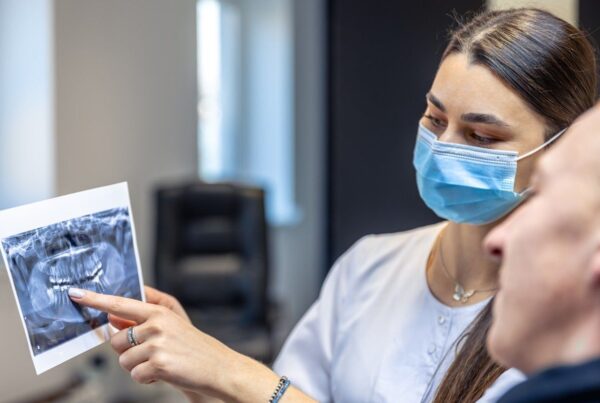
- Detect cavities and gum disease from X-rays
- Identify issues earlier than manual diagnosis
- Assist in treatment planning with higher accuracy
- Reduce human error
For patients, this means early detection and more predictable outcomes. For dentists, it improves confidence and efficiency during diagnosis.
2. Intraoral Scanners and Digital Impressions
Traditional dental impressions are uncomfortable and time-consuming. In 2026, intraoral scanners have become the standard.
Benefits of digital impressions:
- Faster scanning process
- Improved patient comfort
- Highly accurate measurements
- Better fitting crowns, aligners, and restorations
These scanners allow dentists to create precise digital models of teeth, reducing errors and remakes while improving treatment quality.
3. 3D Printing in Dentistry
3D printing is revolutionizing dental manufacturing. Dentists can now produce crowns, bridges, surgical guides, and aligners faster than ever.
In 2026, 3D printing is used for:
- Same-day crowns and restorations
- Customized aligners
- Surgical guides for implants
- Dental models and prosthetics
This technology reduces lab dependency, lowers costs, and shortens treatment timelines for patients.
4. Same-Day Dentistry and Chairside Milling
One of the most patient-friendly advancements is same-day dentistry. With chairside milling systems, restorations can be designed and created during a single visit.
Advantages include:
- Fewer appointments
- Faster treatment completion
- Reduced waiting time
- Improved patient satisfaction
Same-day crowns are now more precise, durable, and natural-looking than ever before.
5. Guided Implant Surgery
Dental implant procedures have become safer and more predictable due to digital planning and guided surgery.
Using CBCT scans and digital guides, dentists can:
- Plan implant placement virtually
- Avoid nerves and sinuses
- Reduce surgical errors
- Improve healing outcomes
For patients, guided implant surgery means less pain, shorter recovery, and higher success rates.
6. Teledentistry and Remote Consultations
Teledentistry has expanded beyond emergencies. In 2026, it plays a key role in:
- Initial consultations
- Post-treatment follow-ups
- Oral hygiene education
- Treatment planning discussions
Patients can consult dentists remotely, saving time while receiving professional guidance. Clinics also benefit from improved accessibility and patient engagement.
7. Cloud-Based Dental Software and Digital Workflows
Modern dental practices now rely on cloud-based platforms to manage data efficiently.
Cloud technology helps with:
- Secure patient record storage
- Seamless communication with labs
- Faster collaboration between specialists
- Easy access to treatment history
These systems improve workflow efficiency and reduce administrative burden.
How These Technologies Benefit Patients
New dental technologies in 2026 are designed with patients in mind. The biggest benefits include:
- Shorter treatment times
- Less discomfort and anxiety
- Higher accuracy and reliability
- Improved long-term oral health
Patients receive customized treatment plans and faster results without compromising quality.
How Dental Clinics Benefit from Modern Technology
For dental professionals, adopting advanced technology offers:
- Increased efficiency
- Better diagnostic accuracy
- Reduced operational costs
- Higher patient trust and retention
Clinics using digital dentistry tools also stand out as modern, reliable, and future-ready.
The Future of Dentistry Beyond 2026
As technology continues to evolve, dentistry will become even more precise and patient-focused. AI, automation, and digital workflows will continue to refine diagnosis, treatment, and prevention.
The clinics that adapt early will lead the industry, while patients will enjoy safer, faster, and more comfortable dental care.
Frequently Asked Questions
1. What are the top dental technologies in 2026?
AI diagnostics, 3D printing, intraoral scanners, guided implants, and cloud-based dental software are leading dental technologies in 2026.
2. How does AI help dentists?
AI helps detect dental issues early, improves diagnosis accuracy, supports treatment planning, and reduces the chances of human error.
3. Are same-day crowns reliable?
Yes, same-day crowns use advanced digital tools and materials, offering accurate fit, durability, and faster treatment completion.
4. What is teledentistry used for?
Teledentistry is used for consultations, follow-ups, oral health advice, and treatment discussions without in-clinic visits.
5. Is 3D printing safe for dental treatments?
Yes, dental 3D printing is safe, precise, and widely used for crowns, aligners, and surgical guides with excellent results.
Final Thought
New dental technologies in 2026 are transforming dentistry into a faster, smarter, and more patient-friendly field. With AI-driven diagnostics, digital impressions, and advanced treatment tools, both patients and dental clinics benefit from improved outcomes and experiences. These innovations also support overall health and well-being, helping patients receive safer and more accurate treatments.