

A brighter smile is no longer just about looks. In 2026, teeth whitening has evolved into a science-driven, patient-focused dental solution that prioritises speed, safety, and enamel protection. With so many options available, patients are searching for whitening methods that deliver instant teeth whitening results without causing sensitivity or long-term damage.
This guide goes deeper than typical trend articles. It combines what top-ranking competitors are doing right with advanced insights they often miss, so you get a complete, trustworthy, and future-ready overview of teeth-whitening technologies that actually work.
Why Teeth Whitening Is Evolving So Fast in 2026
Today’s patients want fast results, but not at the cost of pain or enamel erosion. That demand has pushed clinics toward enamel-safe whitening, low-sensitivity formulas, and technology-assisted treatments that are both precise and predictable.
Search trends show rapid growth in queries like:
- teeth whitening for sensitive teeth
- best teeth whitening for sensitive teeth
- LED teeth whitening
- instant teeth whitening
This tells us one thing clearly: people want whiter teeth, safely and comfortably.
Understanding Modern Teeth Whitening Technologies
Teeth whitening technologies work by breaking down stains caused by coffee, tea, wine, smoking, ageing, and certain medications. Modern systems focus on controlled oxidation, meaning stains are lifted without weakening the enamel surface. This science-based approach is the foundation of today’s advanced smile enhancement solutions, which deliver visible results while protecting long-term oral health.
Unlike older abrasive methods, 2026 whitening solutions are:
-
More targeted
-
Faster acting
-
Safer for enamel
-
Designed to minimize sensitivity
LED Teeth Whitening: The Most Popular Choice in 2026
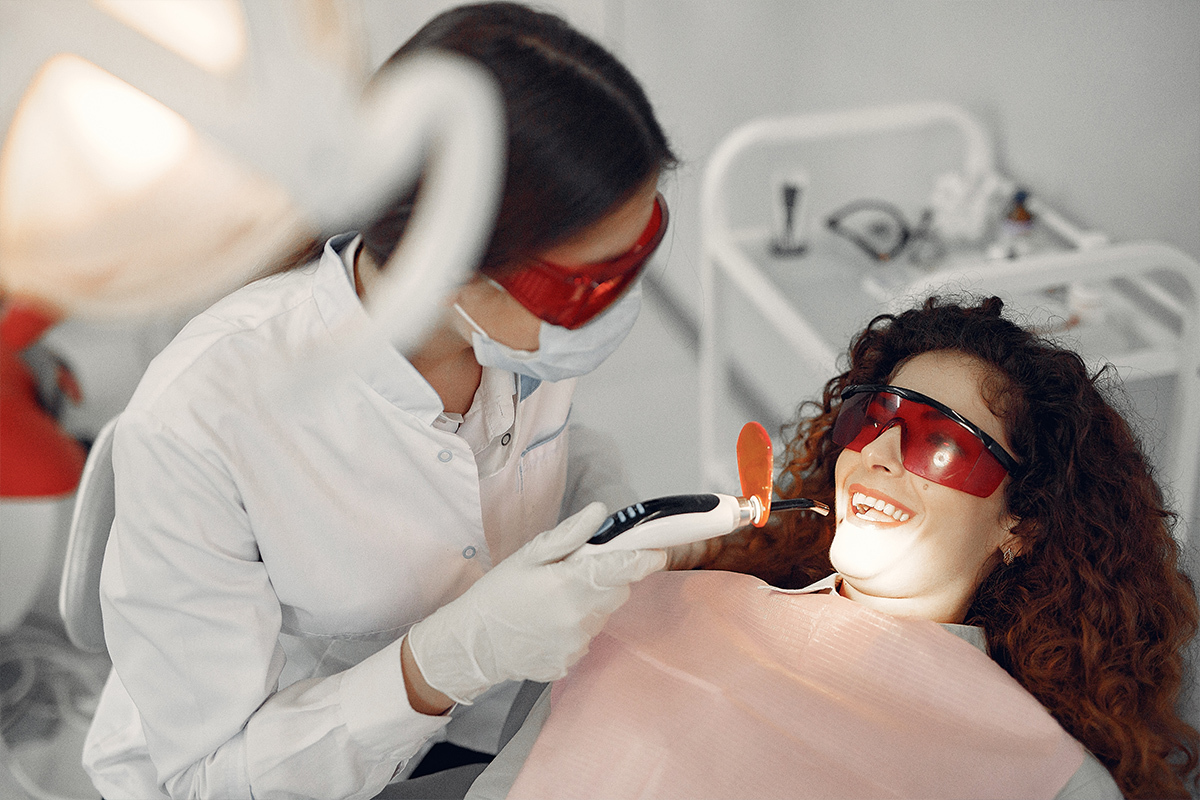
LED teeth whitening remains one of the most widely used professional treatments today.
How it works
A whitening gel is applied to the teeth and activated using LED light. The light accelerates the whitening reaction, allowing visible results in a single session.
Why patients prefer it
- Noticeable whitening in 30–60 minutes
- Controlled and evenly distributed results
- Safer for enamel than aggressive bleaching
- Ideal for patients wanting instant teeth whitening
This technology is especially popular among professionals preparing for events, weddings, or public-facing roles.
Laser Teeth Whitening vs LED: Which Is Better?
Laser whitening is often confused with LED whitening, but there are key differences.
- Laser whitening uses high-intensity energy and can be effective, but it may increase sensitivity in some patients.
- LED teeth whitening provides a more balanced approach, delivering strong results with a lower risk of discomfort.
In 2026, most cosmetic dentists prefer LED-based systems because they align better with enamel-safe whitening standards.
Teeth Whitening for Sensitive Teeth: What Actually Works
Sensitivity is the number one concern stopping people from whitening their teeth. Fortunately, modern solutions are changing that, especially when treatments are guided by experienced professionals. At clinics like Main Street Dental, whitening plans are carefully tailored to reduce discomfort while still delivering visible results.
Best teeth whitening for sensitive teeth includes:
-
Low-peroxide or peroxide-free gels
-
Added potassium nitrate or fluoride
-
Shorter activation cycles
-
Post-whitening desensitizing treatments
Professional supervision makes a significant difference, particularly for patients who have previously experienced sensitivity or pain from over-the-counter whitening products.
Best Teeth Whitening Strips for Sensitive Teeth: Are They Worth It?
Many people search for the best teeth whitening strips for sensitive teeth or the best white strips for sensitive teeth because they’re affordable and convenient.
Pros:
- Easy to use at home
- Budget-friendly
- Mild whitening effect
Cons:
- Results are slower and inconsistent
- Poor fit can cause uneven whitening
- Higher risk of gum irritation if misused
Strips may work for mild stains, but for predictable and safe results, dentist-guided treatments remain superior.
In-Office Whitening vs At-Home Whitening Trays
| Feature | In-Office Whitening | At-Home Trays |
|---|---|---|
| Speed | Immediate | Gradual |
| Control | Dentist supervised | Moderate |
| Sensitivity Risk | Low with protocols | Varies |
| Results | Strong and uniform | Natural and progressive |
| Best for | Instant results | Sensitive teeth |
A combination approach is often recommended in 2026: one in-office session followed by maintenance trays at home.
Enamel-Safe Whitening: Why It Matters More Than Ever
Healthy enamel is essential for long-term oral health. Over whitening or incorrect products can thin enamel, leading to:
- Increased sensitivity
- Higher cavity risk
- Yellowing over time
Modern teeth whitening technologies focus on preserving enamel structure while improving brightness. This shift toward safety is one reason professional dental whitening continues to outperform DIY trends.
Who Should Avoid Teeth Whitening?
Even the safest whitening methods are not for everyone. Whitening should be delayed or avoided if you have:
- Untreated cavities
- Active gum disease
- Extremely worn enamel
- Dental restorations on front teeth (crowns and veneers don’t whiten)
A professional evaluation ensures whitening is both safe and effective.
Realistic Expectations: How White Is “White Enough”?
Whitening is not about unnatural brightness. The goal in 2026 is a natural, healthy-looking smile that complements facial features.
Most professional treatments can improve teeth by:
- 4 to 8 shades in one session
- With results lasting 6–12 months depending on habits
Maintenance and lifestyle choices play a big role in long-term results.
Aftercare Tips to Maintain Whitening Results
To keep your smile bright:
- Avoid coffee, tea, wine for 48 hours
- Use a non-abrasive whitening-safe toothpaste
- Rinse after consuming stain-causing foods
- Schedule touch-ups as advised
These steps help maintain results without repeated aggressive treatments.
Why Professional Dental Care Makes the Difference
Teeth whitening is safest and most effective when done under expert supervision. Clinics like Main Street Dental combine advanced technology with personalized care plans, ensuring results that look natural and feel comfortable.
If you’re exploring long-term oral health alongside cosmetic improvements, choosing dental services for all ages ensures every treatment is tailored to your dental history, sensitivity level, and aesthetic goals.
FAQs About Teeth Whitening Technologies
Q. Does whitening damage enamel?
A. When done professionally using enamel-safe whitening systems, no.
Q. Is LED teeth whitening safe for sensitive teeth?
A. Yes, especially when sensitivity protocols are used.
Q. How fast do results show?
A. Many patients see results immediately after one session.
Q. Do whitening strips work?
A. They can help with mild stains, but results are limited.
Final Thoughts
The future of whitening is clear. In 2026, the best results come from advanced teeth whitening technologies that prioritise safety, comfort, and efficiency. Whether you’re looking for instant teeth whitening, solutions for sensitivity, or long-term enamel protection, modern dentistry offers smarter, safer choices than ever before.
By combining professional expertise, patient-specific protocols, and the latest technology, you can achieve a brighter smile without compromising oral health.