

Why Brace Teeth Searches Are Rising in the USA
The search for brace teeth has been rising rapidly across the USA, and it’s not just teenagers driving the trend, more adults than ever are choosing to straighten their teeth for confidence, comfort, and long-term oral health. With clearer, faster, and more affordable options now available, orthodontic treatment has become accessible for every age group.
As people research ways to fix crooked teeth, gaps, crowding, and bite issues, they often compare professional braces vs. DIY solutions. While online kits may look convenient, only a licensed orthodontist can safely move teeth and ensure healthy, long-lasting results. This is why most U.S. patients still prefer professional braces or clear aligners provided by trusted dental clinics.
Cost is another major reason these searches are booming. Patients want to understand braces cost, treatment options, timelines, and what works best for adults vs. kids before making a decision. Naturally, searches like “braces near me,” “affordable braces,” and “orthodontist in Newark, DE” have increased as people look for reliable care close to home.
Whether you’re considering metal braces, ceramic braces, or Invisalign-style clear aligners, this guide will help you understand the right choice for your teeth, budget, and lifestyle.
What Are Braces?
Braces are an orthodontic treatment designed to straighten teeth, correct bite issues, and improve overall dental alignment. They work by applying gentle, continuous pressure to shift teeth into their proper positions over time.
How Braces Work?
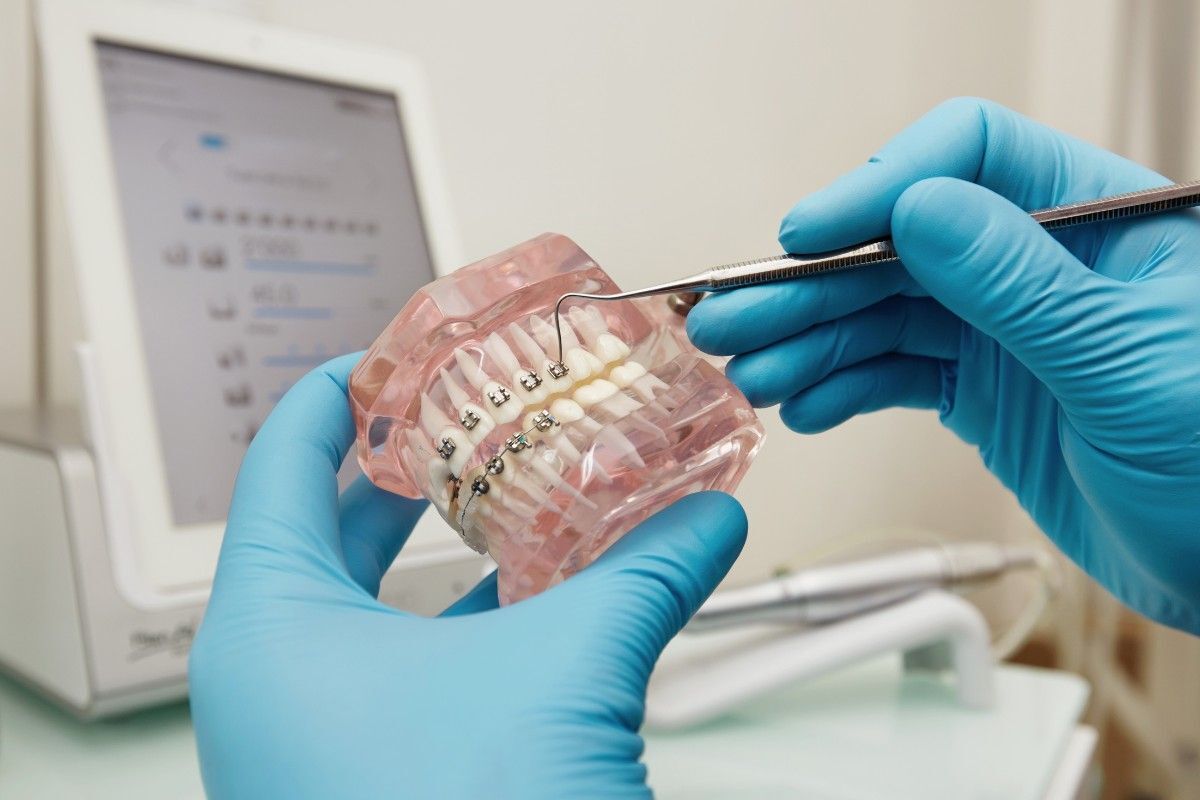
Braces use brackets, wires, and elastic bands to gradually move teeth. As the orthodontist adjusts the wires during routine visits, the teeth begin to shift according to the treatment plan.
Who Needs Braces?
Braces are recommended for children, teens, and even adults who have:
- Crooked or misaligned teeth
- Gaps or spacing between teeth
- Crowded teeth
- Overbite, underbite, open bite, or crossbite
- Jaw alignment issues
Common Dental Issues Braces Fix
Braces are highly effective in correcting:
- Spacing: Gaps between teeth
- Crowding: Teeth overlapping due to lack of space
- Overbite: Upper teeth extend too far over the lower teeth
- Underbite: Lower teeth sit in front of upper teeth
- Crossbite: Misalignment affecting chewing and appearance
Types of Braces Available in the USA
Patients in the USA have several modern options when choosing the best braces for their needs and lifestyle.
1 . Metal Braces
Metal braces are the most common and affordable orthodontic option.
Cost: $3,000–$7,500 (national average)
Benefits:
- Strong, durable, and effective
- Best for severe alignment issues
- Often the fastest option for major corrections
- Affordable compared to other types
Best For:
Kids, teens, and patients with complex dental alignment problems.
2 . Ceramic Braces
Ceramic braces function like metal braces but use clear or tooth-colored brackets for a more discreet look.
Cost: $4,000–$8,500
Benefits:
- Less visible than metal
- Suitable for teens and adults who prefer a subtle appearance
Best For:
Adults and older teens who want effective results without obvious metal braces.
3 . Lingual Braces
Lingual braces are placed on the back (tongue side) of the teeth, making them invisible from the front.
Cost: $8,000–$12,000
Benefits:
- Completely hidden
- Ideal for professionals, performers, and adults who want discreet treatment
Best For:
Patients seeking invisible braces and willing to invest more for aesthetics.
4 . Invisalign / Clear Aligners
Invisalign and other clear aligner systems straighten teeth without traditional braces.
Cost: $3,500–$8,000
Benefits:
- Nearly invisible
- Removable for eating, drinking, brushing, and flossing
- More comfortable than metal braces
- Excellent for mild to moderate alignment issues
Best For:
Adults and teens looking for a modern, flexible alternative to braces.
4. Brace Teeth Cost in the USA (Full Breakdown)
Here is the updated national pricing based on the latest dental and orthodontic data.
Average Braces Prices (USA National Data)
- Metal Braces: $3,000–$7,500
- Ceramic Braces: $4,000–$8,500
- Lingual Braces: $8,000–$12,000
- Invisalign / Clear Aligners: $3,500–$8,000
These price ranges vary depending on the treatment length and complexity.
Factors That Affect Braces Cost
1. Age (Kids vs Adults)
- Kids often pay less due to simpler cases.
- Adults may require longer treatment or additional correction.
2. Treatment Complexity
- Minor spacing is cheaper.
- Severe crowding, bite correction, or jaw issues increase the cost.
3. Location (City vs Suburbs)
Urban areas typically have higher pricing. Smaller cities like Newark, DE usually offer more affordable treatment.
4. Dentist vs Orthodontist
Orthodontists may charge slightly more due to specialty training, but they often provide faster and more predictable results.
Brace Teeth Cost With vs. Without Insurance
With Insurance
For many patients in the USA, dental insurance can significantly lower the cost of braces. Most plans cover 30%–60% of orthodontic treatment, depending on the patient’s age and the type of braces chosen.
Kids and teens often receive higher coverage, while adult orthodontic benefits depend on the plan.
You can also reduce out-of-pocket costs by using:
- FSA (Flexible Spending Account): Allows you to pay using pre-tax dollars.
- HSA (Health Savings Account): Helps you spread treatment costs throughout the year and save on taxes.
Insurance + FSA/HSA together can make braces much more affordable for families.
Without Insurance
If you don’t have dental insurance, braces are still manageable thanks to flexible payment options offered by most U.S. orthodontic clinics.
Common options include:
- Payment Plans: Monthly installments that make braces easier to afford without paying everything upfront.
- Dental Membership Plans: Many clinics offer in-house discount plans that give 10%–40% off orthodontic services.
These plans are ideal for adults or families who want brace teeth treatment without the high upfront cost.
Brace Teeth for Kids, Teens & Adults
Best Age to Start
The American Association of Orthodontists recommends evaluating children around age 7, but treatment usually begins between ages 10–14, when the jaw is still growing.
Teens: The Most Common Age Group
Teenagers are the most frequent braces patients because their teeth and bite are easier to guide into alignment.
Modern braces and clear aligners also make the process more comfortable and discreet.
Braces for Adults
Adult braces are now more popular than ever in the USA.
Why?
- Better confidence in professional and social settings.
- Advanced, discreet options like ceramic braces or Invisalign.
- More adults prioritizing long-term oral health.
How the Braces Treatment Process Works
1. Consultation & X-rays
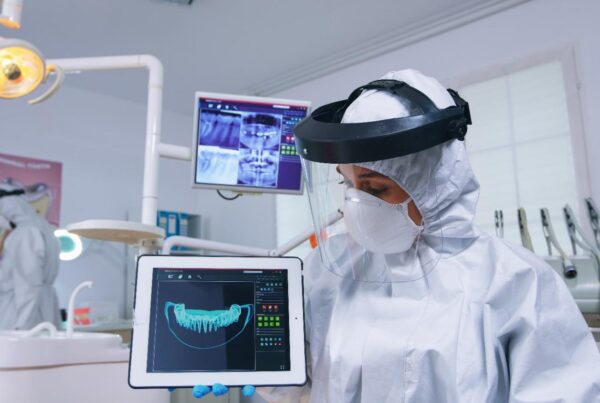
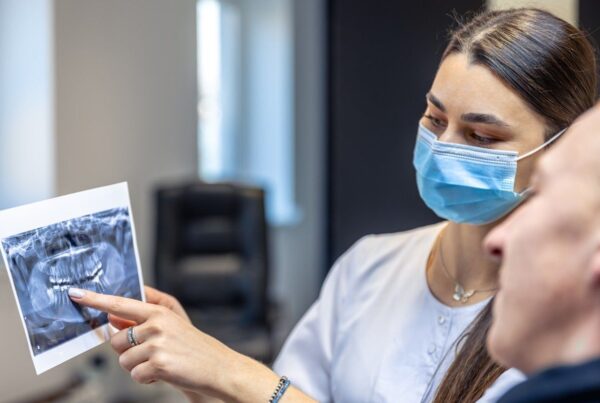
Your orthodontist performs a full exam, takes digital X-rays, and checks your bite to understand what needs to be corrected.
2. Treatment Planning
A personalized plan is created, showing expected treatment time, type of braces, and expected results.
3. Placement of Braces
Brackets are placed on the teeth, and wires are attached.
For Invisalign, this step involves receiving your first set of clear aligners.
4. Monthly Adjustments
Every 4–6 weeks, your orthodontist tightens the wires or gives you the next set of aligners to keep teeth moving correctly.
5. Retainers After Treatment
Once the braces come off, a retainer is used to prevent teeth from shifting back.
This step ensures long-lasting, stable results.
This simplified process helps patients understand what to expect at each stage without confusion.
Before & After: What Results to Expect
Typical Timelines (USA Data)
Most patients see full results within 12–24 months, depending on:
- Age.
- Severity of misalignment.
- Type of braces.
- Treatment consistency.
Smile Transformation Examples
Braces can correct:
- Crooked teeth.
- Crowding.
- Gaps.
- Overbite / Underbite
- Crossbite.
- Open bite.
Before-and-after results are often dramatic, giving patients a straighter, healthier, and more confident smile.
Importance of Follow-Up Care
After treatment, follow-up appointments ensure:
- Teeth remain stable in their new position.
- Retainers fit properly.
- No relapse or shifting occurs.
Consistent follow-up is key to maintaining long-term results and protecting your orthodontic investment.
Foods to Avoid With Braces
When you have braces, choosing the right foods is essential to prevent damage and keep your treatment on track. Some foods can break brackets, bend wires, or get stuck easily.
Sticky Foods (Avoid Completely)
These can cling to brackets and pull them loose:
- Caramel.
- Chewy candies.
- Gummies.
- Taffy.
- Sticky granola bars.
Hard Foods (Can Break Brackets & Wires)
Hard foods put pressure on your braces and may cause breakage:
- Nuts.
- Popcorn.
- Hard pretzels.
- Ice.
- Hard candies.
- Raw carrots or apples (eat sliced, not whole)
Braces-Safe Diet (Best Choices)
These foods are soft, easy to chew, and safe for daily eating:
- Mashed potatoes.
- Scrambled eggs.
- Pasta.
- Soft fruits (bananas, berries).
- Yogurt.
- Smoothies.
- Rice & cooked vegetables.
Brace Teeth Side Effects (What’s Normal & What’s Not)
It’s completely normal to feel some discomfort, especially during the first week or after adjustments.
Mild Pain (Normal)
A dull ache or pressure is common and typically lasts 2–3 days.
Soreness (Normal)
Your cheeks, lips, and tongue may feel irritated initially. Orthodontic wax can help.
Loose or Poking Wires (Sometimes Normal)
Minor wire irritation happens, but if a wire breaks or pokes your cheek, call your dentist.
When to Call Your Dentist
Seek help if you experience:
- A broken bracket or wire.
- Severe pain.
- Swelling or infection.
- Ulcers that don’t heal.
- Difficulty eating because of sharp hardware.
Brace Teeth vs. Invisalign: Comparison Guide
Here is a clear, patient-friendly comparison:
| Feature | Braces | Invisalign (Clear Aligners) |
| Cost | $3,000–$7,500 | $3,500–$8,000 |
| Treatment Time | 18–24 months (average) | 12–18 months (case-dependent) |
| Visibility | Visible metal or ceramic brackets | Nearly invisible |
| Convenience | Fixed, always working | Removable for eating & brushing |
| Best For | Complex alignment issues | Mild to moderate cases |
How to Find the Best Orthodontist Near You?
Choosing the right orthodontist ensures better results and smoother treatment.
Check Reviews
Look for clinics with consistent 4.8–5.0 star ratings and positive feedback about results, comfort, and professionalism.
Before/After Photos
These help you understand the orthodontist’s skill level.
Experience
Choose a dentist or orthodontist with years of hands-on experience in braces and Invisalign cases.
Technology Used
Modern clinics use:
- Digital X-rays
- 3D scanners
- AI treatment planning
- Same-day bracket repairs
Payment Options
Look for:
- Insurance acceptance
- Flexible monthly payment plans
- HSA/FSA support
FAQs
1 . How much do braces cost near me?
In the USA, braces cost $3,000–$7,500, depending on type and complexity.
2 . Are braces painful?
You may feel mild pressure for a few days after placement or adjustments, which is normal.
3 . How long do braces take to straighten teeth?
Most treatments take 12–24 months, depending on the case.
4 . Are braces worth it as an adult?
Yes. Adults commonly get braces to improve bite, alignment, confidence, and long-term dental health.
5. Is Invisalign as effective as braces?
Yes, for mild to moderate cases. For severe misalignment, braces may be more effective.
Conclusion: Your Best Options for Straighter Teeth in the USA
Choosing the right method to straighten your teeth, whether braces or Invisalign, depends on your smile goals, budget, and the complexity of your case. Both options offer excellent results when supervised by an experienced dentist.
Braces are ideal for more complex corrections, while Invisalign is perfect for those who want a discreet, removable option.
For the best care and personalized treatment: Book a consultation at Main Street Dental, Newark, DE and start your journey toward a straighter, healthier smile.