Mon. & Wed:
7:15 a.m. to 6:15 p.m.
Tues. & Thurs:
7:15 a.m. to 3:15 p.m.
Fri., Sat. & Sun.:
Closed

Handicap accessible office.

When patients search for professional teeth whitening, they often ask one important question: Which whitening method actually works best for me? At Newark Advanced Dental, patients don’t receive a one-size-fits-all answer. Instead, each whitening recommendation is based on real oral health conditions, lifestyle habits, and long-term expectations.
This case study from Main Street Dental in Newark, DE walks through a real-world whitening decision process, explaining why laser whitening, gel-based in-office whitening, or custom take-home trays may be chosen, and how dentists decide the safest and most effective option.
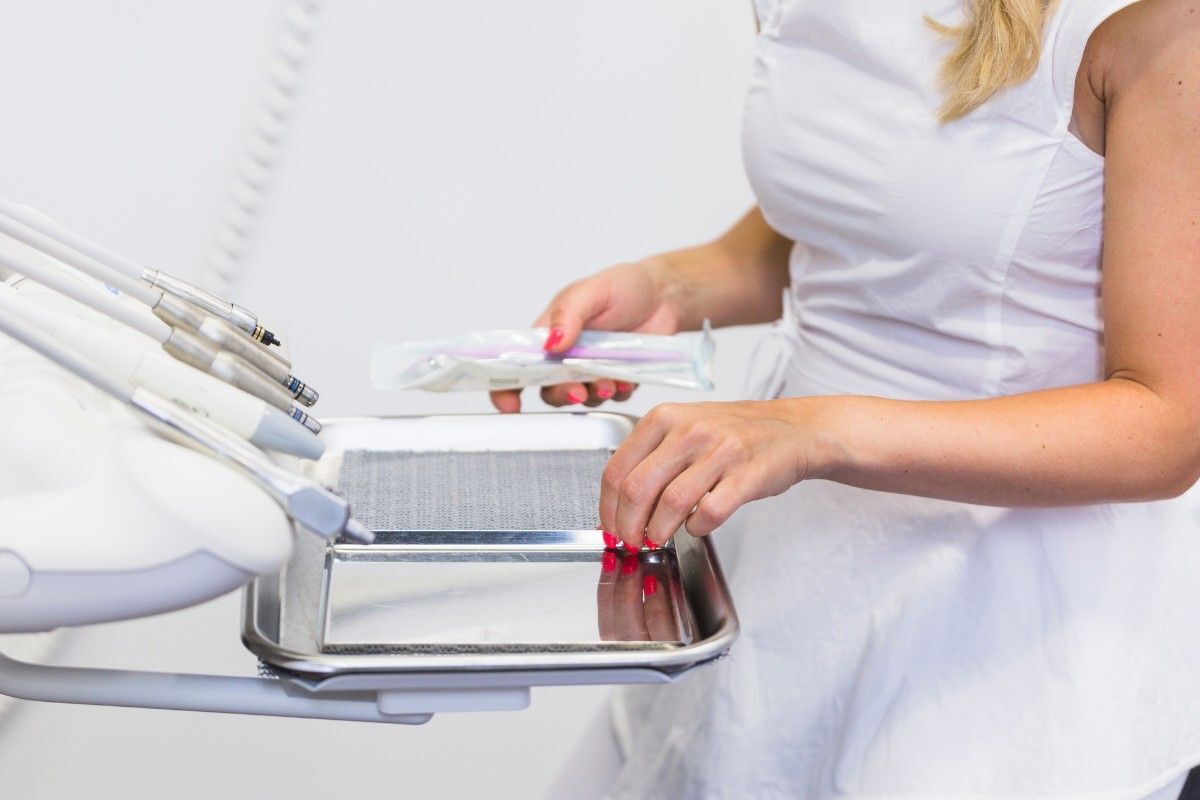
The patient, a 34-year-old professional living in Newark, DE, visited Main Street Dental with concerns about yellowing teeth and uneven discoloration, especially noticeable in photos and video calls.
Key factors discussed during the consultation included:
The patient wanted noticeable results quickly, but without long-term sensitivity or damage to enamel.
Before recommending any whitening method, the dentist performed:
This step is critical. Whitening treatments behave differently depending on enamel condition and internal staining. At Main Street Dental, treatment choice is based on biology, not marketing trends.
1. Laser Teeth Whitening: Was It the Right Choice?
Laser whitening is often advertised as the fastest solution. It involves activating a hydrogen peroxide gel using a specialized light or laser.
Pros explained to the patient:
Limitations discussed honestly:
In this case, the dentist did not recommend laser whitening as the primary option due to the patient’s mild sensitivity and desire for longer-lasting results.
2. In-Office Gel-Based Whitening (Dentist-Supervised)
This method uses professional-grade whitening gel, applied in controlled sessions without lasers.
Why this option was strongly considered:
Clinical insight:
Gel-based whitening penetrates enamel gradually, making it ideal for surface and moderate internal stains, which matched the patient’s staining pattern.
3. Custom Take-Home Whitening Trays: Long-Term Control
Custom trays are created using digital impressions and paired with dentist-approved whitening gel.
Advantages explained:
Limitations:
After reviewing all options, Main Street Dental recommended a combined approach:
This strategy delivered:
Laser whitening was intentionally excluded due to its higher sensitivity risk and less predictable longevity for this specific patient.
The in-office whitening session lasted approximately 60–75 minutes. The dentist:
The patient reported:
Custom trays were delivered one week later with clear usage instructions.
30-Day Follow-Up
90-Day Review
This case highlights a key truth:
The best whitening method depends on the patient—not the trend.
At Main Street Dental, whitening decisions are:
Patients are educated about laser vs gel vs trays, rather than being pushed into expensive options that may not suit their oral health.
|
Whitening Method |
Best For |
Dentist Recommendation |
|
Laser Whitening |
Fast cosmetic boost |
Limited cases only |
|
Gel-Based In-Office |
Controlled, safe whitening |
⭐ Highly recommended |
|
Custom Trays |
Maintenance & sensitivity control |
⭐ Essential add-on |
This real case from Main Street Dental, Newark, DE demonstrates how professional teeth whitening should be handled, carefully, ethically, and based on science.
If you’re considering whitening and wondering whether laser whitening, gel-based treatment, or custom trays are right for you, a personalized dental evaluation is the smartest first step.
Whitening isn’t just about brighter teeth, it’s about protecting your smile for the long term.
Phone: 302-368-2558
Main Street Dental
29 Center Street
Newark, DE 19711
Mon. & Wed:
7:15 a.m. to 6:15 p.m.
Tues. & Thurs:
7:15 a.m. to 3:15 p.m.
Fri., Sat. & Sun.:
Closed
Handicap accessible office.
© Main Street Dental Newark