Mon. & Wed:
7:15 a.m. to 6:15 p.m.
Tues. & Thurs:
7:15 a.m. to 3:15 p.m.
Fri., Sat. & Sun.:
Closed

Handicap accessible office.

Sealants or fluoride? Learn which treatment is best for you. Newark, DE’s Main Street Dental explains benefits, costs, and who needs each option.
If you’ve ever wondered whether dental sealants or fluoride treatment is the better choice for cavity prevention, you’re not alone. Parents, teens, and even adults in Newark, DE often feel unsure about which option protects their teeth better, especially when dealing with common oral health issues like cavities, enamel erosion, dental anxiety in kids, and the growing need for preventive dentistry. As you explore options, choosing a trusted Newark dental sealants clinic becomes an important part of making the right decision.
Both sealants and fluoride treatments are highly effective; however, they work in very different ways. Understanding the difference can help you choose what’s best for your family’s oral health, especially with guidance from Main Street Dental, a trusted local provider focused on comfort, prevention, and long-term results.
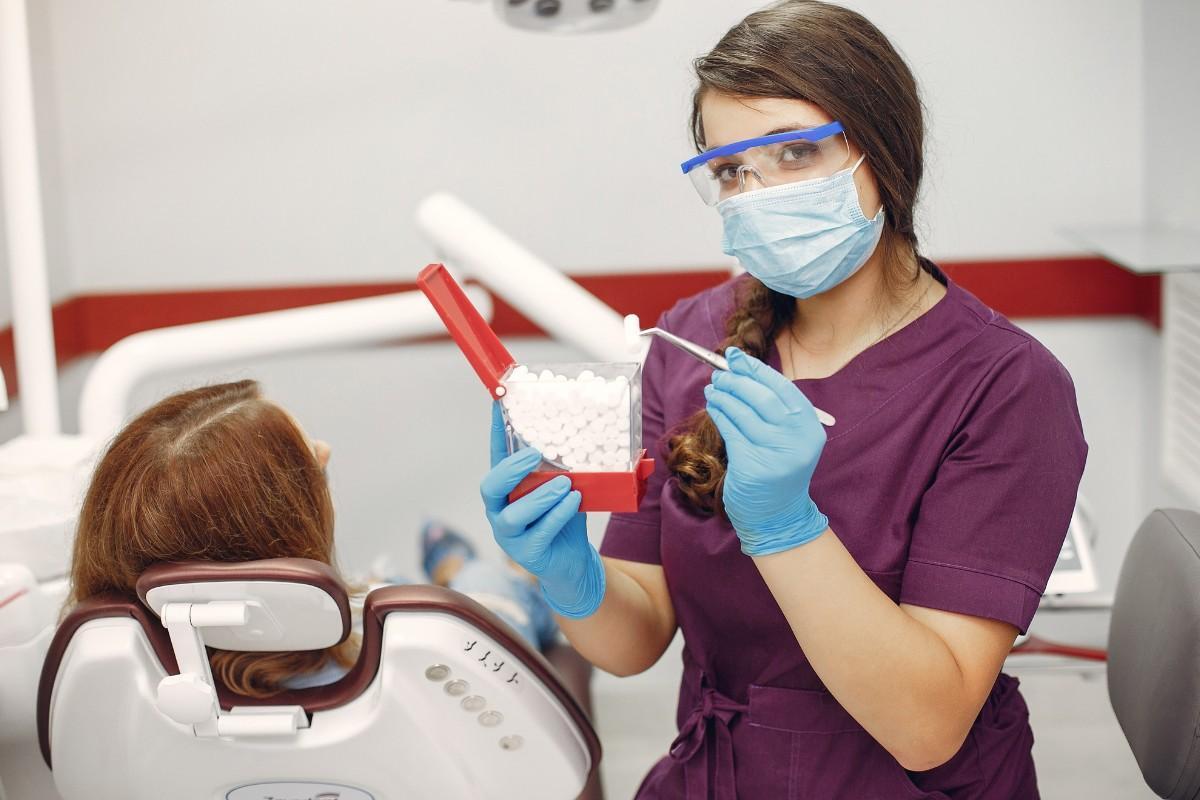
Dental sealants are thin, protective coatings applied to the chewing surfaces of back teeth, mainly molars and premolars.
Sealants act like a shield that blocks food particles, acids, and bacteria from settling into the deep grooves of the teeth. Since these grooves are common spots for cavities, sealing them significantly reduces decay risk.
With proper care, sealants can last 4–10 years and can be reapplied if needed.
Children in Newark, DE, just like across the U.S., are at high risk for cavities because their brushing habits aren’t fully developed. Sealants reduce the risk of decay by up to 80%, making them a valuable preventive tool used widely at Main Street Dental.
Fluoride is a natural mineral that strengthens tooth enamel and reverses early signs of decay.
Fluoride is applied directly to the teeth during a short, painless appointment.
Fluoride:
While fluoride benefits all ages:
Get the most long-term protection.
People who frequently get small cavities or have sensitive enamel benefit greatly from fluoride. It acts like a “repair booster,” rebuilding the mineral layer of your teeth.
| Feature | Dental Sealants | Fluoride Treatment |
| Application Method | Thin coating applied to chewing surfaces of molars | Gel, foam, or varnish applied to all teeth |
| Cost | Higher than fluoride but long-lasting | Lower cost, repeated every 3–6 months |
| Cavity Prevention Level | High (up to 80% reduced risk on molars) | Strengthens entire tooth surface, reverses early decay |
| Best For | Kids ages 6–14, teens, adults with deep grooves | Teens, adults, kids with high cavity risk |
| Longevity | 4–10 years | Temporary (needs regular reapplication) |
| Recommended By Main Street Dental | For children and cavity-prone molars | For whole-mouth protection and enamel repair |
| Insurance Coverage | Usually covered for kids | Often covered for all ages |
According to the American Dental Association (ADA), sealants are the most effective option for children, especially between ages 6 and 14. Kids are more prone to molar cavities because food gets stuck in grooves, and brushing may not reach all areas.
However, fluoride is still recommended for:
Main Street Dental often recommends both sealants + fluoride for maximum cavity protection.
For adults in Newark, DE:
Sealants are beneficial if:
Fluoride is ideal if:
Most adults benefit more consistently from fluoride treatments, but sealants can still be used strategically when needed.
At Main Street Dental, many patients receive both treatments because they protect teeth in different ways.
You may need both if you:
Sealants protect chewing surfaces.
Fluoride protects the entire tooth.
Together, they deliver the strongest defense.
A 7-year-old Newark student, Ava, came to Main Street Dental with early molar cavities and fear of dental visits. Her parents worried about long-term oral health. The dentist recommended sealants on her permanent molars.
Within one year:
Her parents now request sealants for all younger siblings.
A 20-year-old University of Delaware student struggled with enamel erosion due to acidic drinks. He experienced sensitivity while studying late nights.
After fluoride varnish every 3 months:
This simple treatment helped him maintain oral health during a stressful academic year.
Main Street Dental is a community-trusted practice known for:
👉 Book your appointment here: Contact Main Street Dental
What’s better, sealants or fluoride?
Sealants prevent cavities on chewing surfaces; fluoride strengthens all teeth. Most patients need both for full protection.
Should kids get dental sealants in Newark?
Yes. Kids in Newark, DE benefit greatly from sealants, which reduce cavities by up to 80% and protect new molars.
How often should adults get fluoride treatment?
Adults should get fluoride every 3–6 months, especially if they’re cavity-prone or have sensitivity.
Both sealants and fluoride treatments are powerful preventive tools, but they protect teeth in different ways. If you’re unsure which one is right for you or your child, the best next step is a personalized evaluation at Main Street Dental in Newark, DE.
Their team will help you choose the safest, most effective option based on age, cavity risk, and long-term oral health goals.
Schedule your preventive visit today and protect your family’s smiles for years to come.
Phone: 302-368-2558
Main Street Dental
29 Center Street
Newark, DE 19711
Mon. & Wed:
7:15 a.m. to 6:15 p.m.
Tues. & Thurs:
7:15 a.m. to 3:15 p.m.
Fri., Sat. & Sun.:
Closed
Handicap accessible office.
© Main Street Dental Newark