Mon. & Wed:
7:15 a.m. to 6:15 p.m.
Tues. & Thurs:
7:15 a.m. to 3:15 p.m.
Fri., Sat. & Sun.:
Closed

Handicap accessible office.

When searching for the best dental bridges clinic in Newark or anywhere else, you’re likely exploring the options for replacing a missing tooth. The two most common and effective solutions are the Dental Bridge and the Dental Implant.
Choosing between them can feel overwhelming, but understanding the key differences in durability, procedure, and cost is crucial for making the right long-term investment in your smile and oral health.
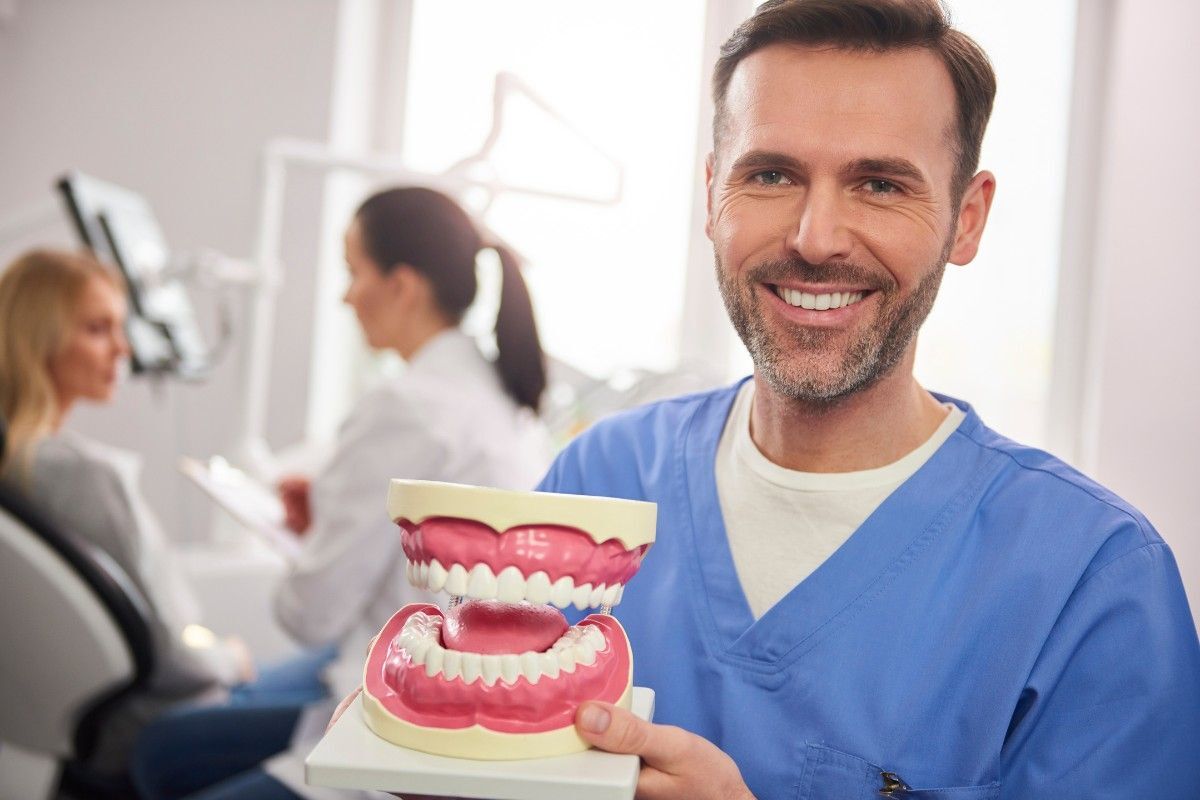
A dental bridge is a fixed prosthetic device used to literally “bridge” the gap created by one or more missing teeth. It is a traditional and reliable solution that has been used in dentistry for decades.
A bridge consists of one or more artificial teeth (pontics) that are held in place by dental crowns cemented onto the natural teeth adjacent to the gap. These adjacent teeth are called abutment teeth.
A dental implant is considered the gold standard for replacing missing teeth because it functions just like a natural tooth root.
The implant process involves surgically placing a small, titanium post into the jawbone beneath the missing tooth. This post acts as the root. Over several months, the bone fuses with the titanium (a process called osseointegration). Once fused, a custom-made crown is attached to the post.
| Feature | Dental Bridge | Dental Implant |
| Integrity of Adjacent Teeth | Compromised: Requires grinding down healthy teeth. | Preserved: Stands alone, leaves adjacent teeth untouched. |
| Jawbone Health | Poor: Does not stimulate the jawbone, leading to potential bone loss. | Excellent: Stimulates the jawbone, preventing atrophy. |
| Lifespan | 5 to 15 years (Needs eventual replacement). | 25+ years to Lifetime (Permanent solution). |
| Treatment Time | Fast (2-4 weeks). | Slow (3-9 months or more). |
| Cost | Lower upfront cost. | Higher upfront cost. |
For most patients, the Dental Implant is the superior long-term solution due to its permanence and crucial ability to preserve the jawbone and surrounding healthy teeth.
However, a Dental Bridge may be the better choice if:
Before deciding, always schedule a consultation with a dental professional who can assess your specific oral health needs, bone density, and budget.
Phone: 302-368-2558
Main Street Dental
29 Center Street
Newark, DE 19711
Mon. & Wed:
7:15 a.m. to 6:15 p.m.
Tues. & Thurs:
7:15 a.m. to 3:15 p.m.
Fri., Sat. & Sun.:
Closed
Handicap accessible office.
© Main Street Dental Newark