Mon. & Wed:
7:15 a.m. to 6:15 p.m.
Tues. & Thurs:
7:15 a.m. to 3:15 p.m.
Fri., Sat. & Sun.:
Closed

Handicap accessible office.
Regular dental cleanings are one of the simplest and most effective ways to protect your oral health. They help remove plaque and tartar, prevent gum disease, and keep your smile healthy, long before bigger (and more expensive) dental problems start.
But with healthcare costs continuing to rise in the United States, many people want to know how much dental cleaning costs without insurance. Whether you’re uninsured, between plans, or simply trying to budget your dental care, understanding out-of-pocket pricing is important. For professional and reliable care, you can visit your trusted and affordable dental clinic in Newark to get expert guidance and personalized pricing information.
It’s also helpful to know that dental cleaning costs aren’t the same everywhere. Prices can vary based on your state, the type of cleaning you need, the dentist’s experience, and whether additional services like X-rays are included. This guide breaks everything down clearly so you know what to expect, and how to plan for your next dental visit.
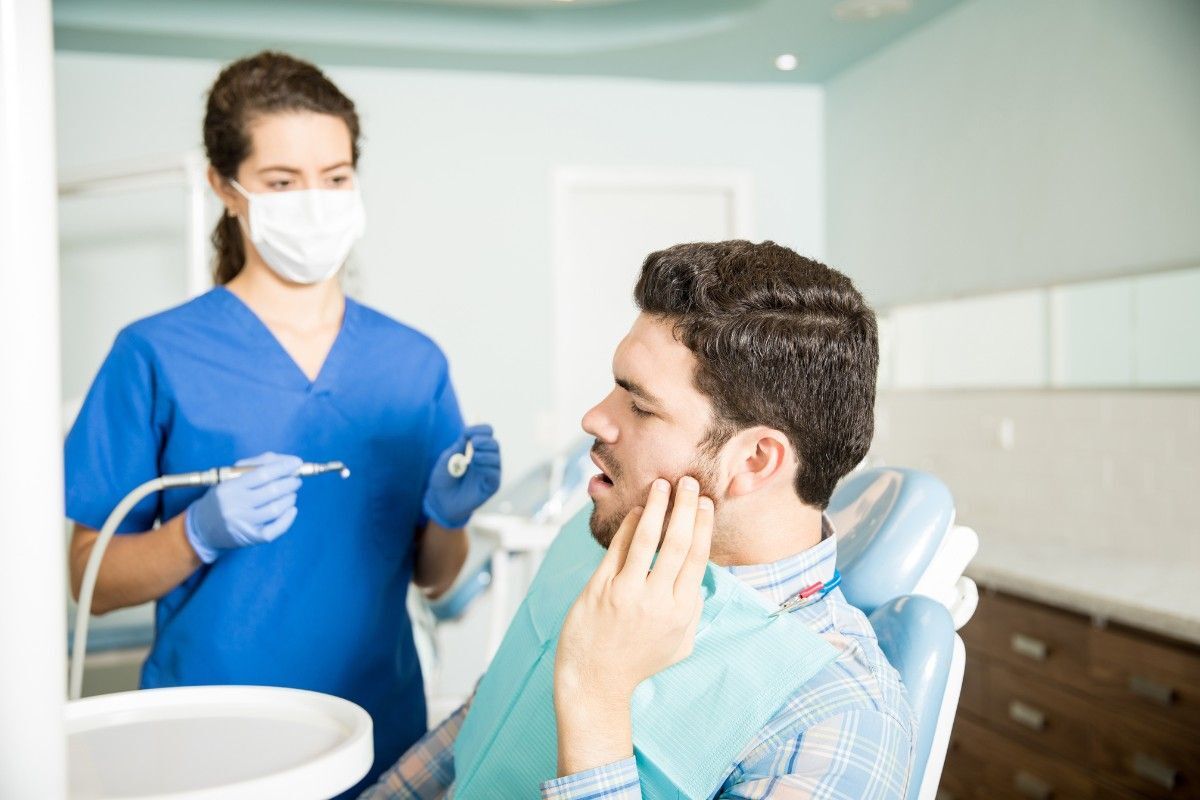
The cost of a dental cleaning without insurance in the U.S. can vary widely depending on your location, the type of cleaning you need, and the dentist’s expertise. On average, a standard cleaning (prophylaxis) costs $90–$200, making it the most common preventive option. If you have signs of gum disease, you may need a deep cleaning, which costs $150–$350 per quadrant, or $600–$1,400 for the full mouth. Prices may be higher in large cities or specialty clinics, but most dental offices offer affordable options or discount plans.
Understanding the different types of dental cleanings can help you choose the right treatment and avoid paying more than necessary, especially if you don’t have insurance. Below is a clear breakdown of each cleaning type, what it includes, and the average price you can expect to pay in the U.S.
A standard cleaning is the most common type of dental cleaning and is recommended for patients who maintain good oral hygiene and do not have gum disease.
What it includes:
Average Price: $90–$200
This is the most affordable option and is usually performed once every six months.
A deep cleaning is required when plaque and tartar build up below the gumline, leading to gum disease. It is more thorough than a regular cleaning and is done in sections, known as “quadrants.”
When it’s needed:
Average Cost:
Deep cleaning helps stop gum disease from progressing and protects your teeth in the long run.
This cleaning is for patients who have already undergone deep cleaning or gum disease treatment. It is performed every 3–4 months to keep the gums healthy and prevent reinfection.
Who it’s for:
Average Price: $100–$300
It’s more thorough than a regular cleaning but less intensive than a full deep cleaning.
Children’s cleanings are simpler and quicker because their teeth and gums are easier to clean and generally have less buildup.
What it includes:
Average Price: $70–$150
This cost makes routine cleanings affordable for families and helps prevent cavities early.
Understanding why dental cleaning costs differ can help you plan your budget and make the best choice for your oral care. Several key factors influence the price you’ll pay, especially if you don’t have insurance.
Where you live has a major impact on dental costs:
Example: A standard cleaning in New York City may cost $200–$250, while the same cleaning in a smaller city in Ohio may cost $100–$150.
Not all cleanings are the same:
The type of cleaning required directly affects the time, effort, and materials used, which in turn impacts the total cost.
Including these services ensures comprehensive oral care but adds to the out-of-pocket cost if you’re paying without insurance.
If you don’t have dental insurance, paying out-of-pocket for dental cleanings can feel expensive. Luckily, there are several ways to save money while keeping your teeth healthy. Here are the most effective options:
Dental discount plans are membership programs that offer reduced prices on dental services. They are not insurance but can save you 10–60% on cleanings, exams, X-rays, and other procedures.
Many dental schools across the U.S. allow supervised students to perform dental cleanings at a fraction of the regular cost.
Community clinics often offer dental services on a sliding-scale fee based on your income. These clinics ensure that even low-income patients can get preventive care and cleanings.
Many dental practices offer in-house membership or loyalty plans for patients without insurance. These plans typically cover routine cleanings, exams, and sometimes discounts on other procedures.
Good oral hygiene at home is the simplest way to reduce long-term dental costs. Brushing twice daily, flossing regularly, and using fluoride toothpaste can help prevent plaque buildup, cavities, and gum disease, reducing the need for expensive deep cleanings.
Absolutely. Even without insurance, paying for a professional dental cleaning can save you money, discomfort, and potential health issues in the long run. Here’s why:
Even without insurance, regular cleanings are a smart investment in both your oral health and your wallet.
Dental cleaning costs vary depending on the type and complexity:
While the cost may feel high without insurance, prevention is always cheaper than treatment. By paying for routine cleanings, you maintain a healthy smile, avoid future dental emergencies, and protect yourself from expensive procedures.
To save money, consider options like:
Investing in regular dental cleanings is not just about a bright smile, it’s a practical step to protect your health and finances over time.
Phone: 302-368-2558
Main Street Dental
29 Center Street
Newark, DE 19711
Mon. & Wed:
7:15 a.m. to 6:15 p.m.
Tues. & Thurs:
7:15 a.m. to 3:15 p.m.
Fri., Sat. & Sun.:
Closed
Handicap accessible office.
© Main Street Dental Newark