Mon. & Wed:
7:15 a.m. to 6:15 p.m.
Tues. & Thurs:
7:15 a.m. to 3:15 p.m.
Fri., Sat. & Sun.:
Closed

Handicap accessible office.

Maintaining excellent oral care goes far beyond daily brushing, it includes preventive habits, professional cleanings, early diagnosis, lifestyle choices, and choosing the right dentist to guide your long-term dental health. For Newark, DE residents, this handbook serves as a complete resource to understand everything that contributes to a healthy, confident, and long-lasting smile.
Whether you want to prevent cavities, protect your gums, manage dental issues early, or build a strong oral care routine for your entire family, this guide gives you all the essential knowledge you need.
Newark’s dental standards are advancing rapidly, with patients seeking faster treatments, modern technology, comfort-focused care, and personalized treatment plans. This handbook is designed to help Newark residents understand what truly matters, from selecting the best dental clinic to staying aware of the latest oral care trends, innovations, and preventive practices.
Oral care refers to the complete set of daily habits and professional dental practices that work together to keep your mouth healthy, clean, and functioning well. It includes brushing, flossing, using mouthwash, eating a tooth-friendly diet, managing lifestyle habits, and visiting your dentist regularly for exams, cleanings, and preventive treatments. Unlike oral hygiene, which focuses mainly on daily cleaning, oral care covers your full mouth health and long-term dental wellness.
Good oral care is essential for preventing common dental issues such as:

In Newark, DE, more residents are taking a proactive approach to their oral care. With improved dental technology, access to experienced local dentists, and rising awareness about preventive treatments, maintaining strong oral health has become easier and more effective than ever. Prioritizing oral care today not only protects your smile but also supports your overall well-being, confidence, and long-term health.
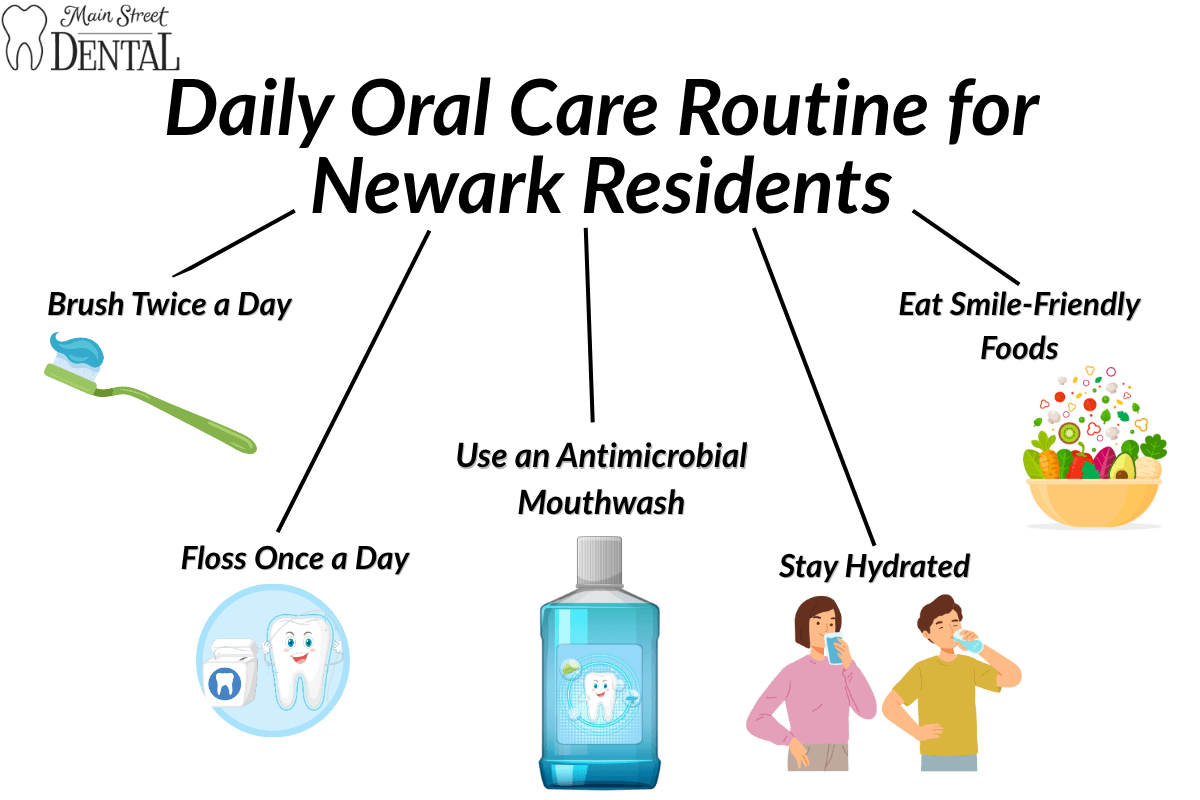
Maintaining a strong daily oral care routine is one of the easiest and most effective ways for Newark residents to protect their smiles. Good habits at home can significantly reduce the risk of cavities, gum disease, and bad breath while supporting long-term dental health. Following the right routine every day ensures that your mouth stays clean, fresh, and healthy between professional dental visits.
Always brush your teeth at least twice a day using a soft-bristle toothbrush and fluoride toothpaste. Brushing for a full 2 minutes helps remove plaque, surface stains, and leftover food particles. Newark dentists also recommend using gentle circular motions to avoid irritating your gums.
Flossing is essential because it cleans the tight spaces between teeth where a toothbrush cannot reach. Daily flossing prevents plaque buildup, reduces gum inflammation, and helps avoid cavities in hard-to-clean areas.
A good antimicrobial mouthwash reduces harmful bacteria, strengthens enamel, and keeps your breath fresh throughout the day. It’s a great addition to your brushing and flossing routine.
Proper hydration supports saliva production, which naturally protects your teeth by washing away food debris and bacteria.
Limit sugary snacks and choose foods that support oral health, such as cheese, yogurt, leafy greens, nuts, and fresh fruits. These foods help strengthen your teeth and maintain gum health.
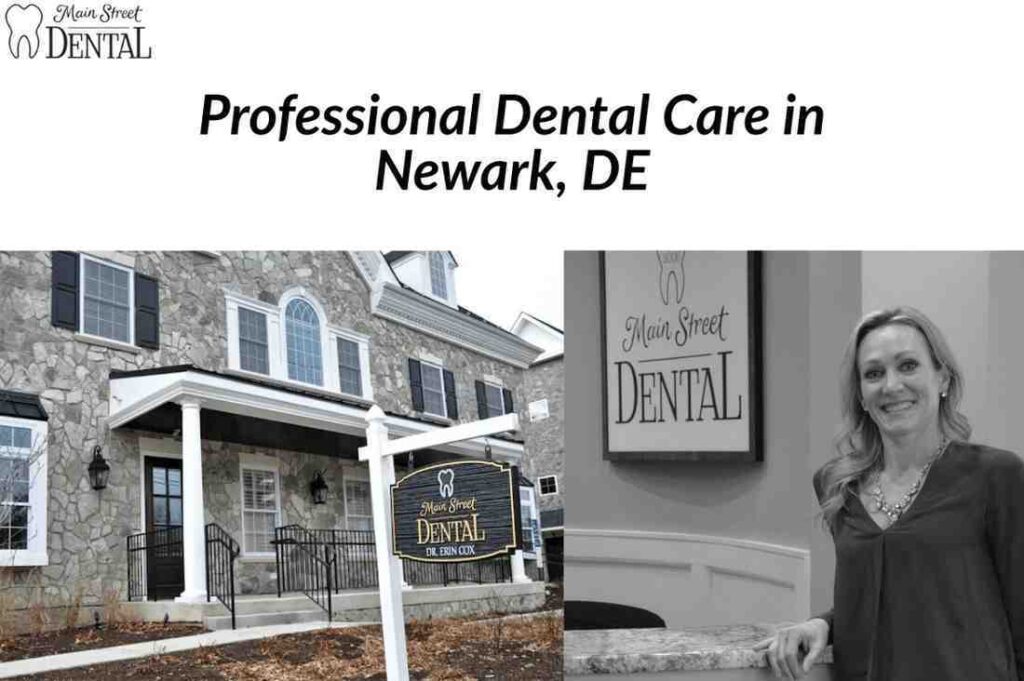
Professional dental care plays a crucial role in maintaining long-term oral health for individuals and families across Newark, DE. Regular dental exams and cleanings every six months help remove plaque and tartar buildup that cannot be eliminated through brushing alone. These routine checkups also allow dentists to spot early signs of tooth decay, gum disease, or enamel erosion before they develop into more serious issues. Early detection saves both time and money while protecting your natural smile.
Fluoride treatments are another essential part of preventive care. By strengthening enamel and making it more resistant to acid attacks, fluoride helps significantly reduce the risk of cavities in both children and adults. For patients who are more prone to decay, dental sealants offer an additional layer of protection. These thin, protective coatings are applied to the grooves of molars, making them ideal for kids, teens, and even adults with deep chewing surfaces.
Modern dental practices in Newark, DE also rely on advanced technology to ensure accurate diagnosis. Digital X-rays provide detailed images with less radiation, and many clinics now offer oral cancer screenings as part of routine exams. This combination of preventive care and advanced diagnostics keeps Newark residents healthier, confident, and well-informed about their oral health.
Understanding when to visit a dentist right away can prevent small dental issues from turning into major problems. Many people ignore early symptoms, hoping they will disappear on their own, but dental conditions rarely improve without treatment. If you notice any of the warning signs below, seeking immediate professional care is essential for protecting your oral health and avoiding long-term complications.
You should seek professional help if you have:

Early detection saves time, money, and discomfort, ensuring your smile stays healthy, strong, and free from preventable dental problems.
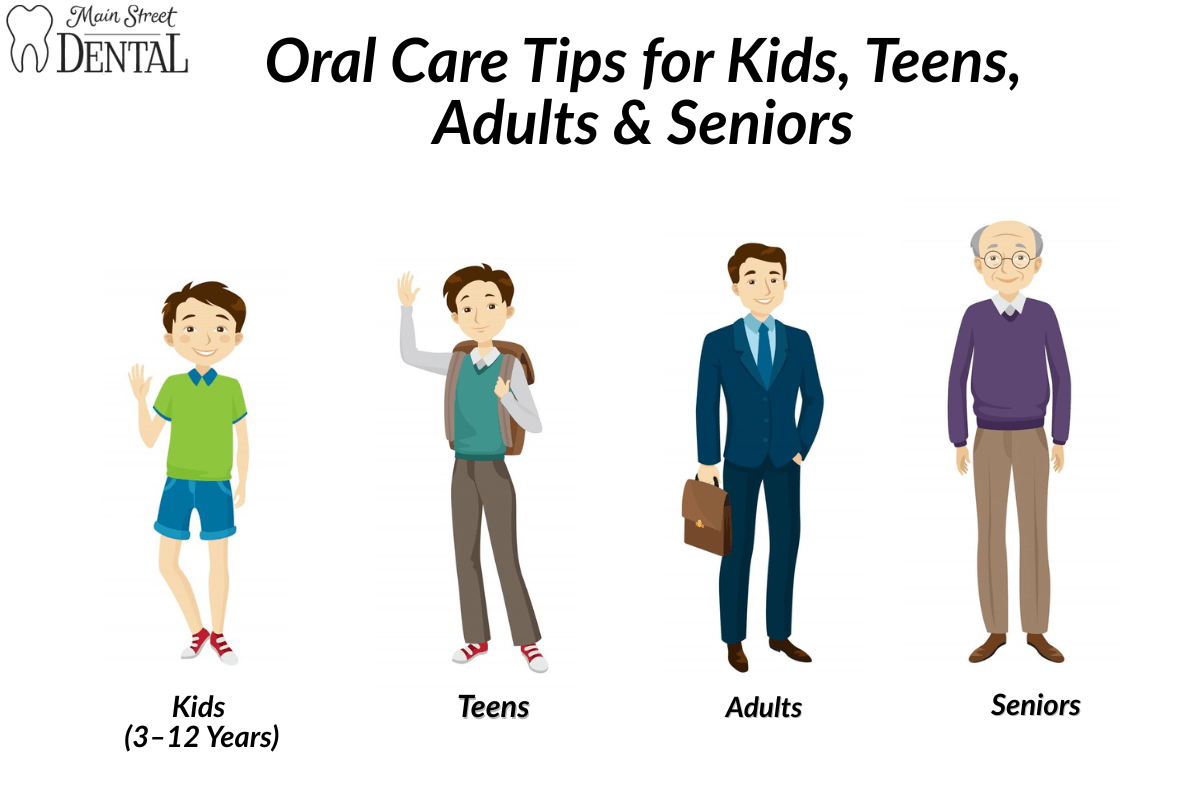
Oral care needs change at every stage of life. Each age group has different challenges, from early cavity prevention in kids to gum health and dry mouth concerns in seniors. Understanding these age-specific needs helps Newark, DE families maintain healthier teeth, stronger gums, and long-lasting smiles.
Below is a clear, practical breakdown of oral care recommendations for every age group.
Kids (3–12 Years)
Teens
Adults
Seniors
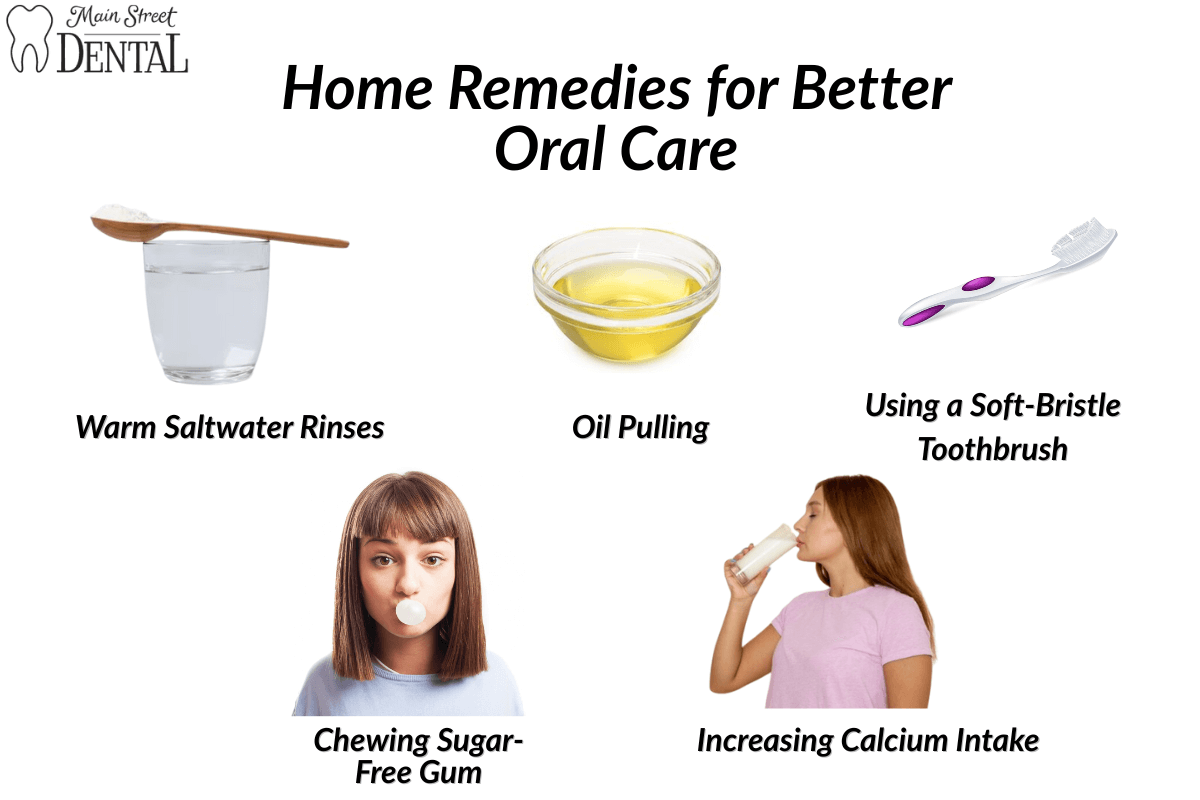
Improving your oral care routine doesn’t always require expensive treatments or specialized products. With a few simple home remedies, you can naturally enhance your overall oral health, support your gums, strengthen your teeth, and maintain a healthier mouth between dental visits.
Warm Saltwater Rinses
Warm saltwater is one of the most effective natural oral care solutions. It helps:
Rinsing after meals or at bedtime can promote healing and support healthier gums.
Oil Pulling
Oil pulling with coconut or sesame oil provides deep oral care benefits such as:
Swish 10–15 minutes daily for noticeable improvement in oral freshness and gum strength.
Using a Soft-Bristle Toothbrush
A soft-bristle brush protects enamel and gently cleans around the gums. It supports better oral care by:
It’s ideal for daily use and safe for individuals with sensitive gums.
Chewing Sugar-Free Gum
Sugar-free gum boosts saliva production, a key part of complete oral care. It helps:
Perfect for when brushing isn’t possible, especially after meals.
Increasing Calcium Intake
Calcium plays a vital role in long-term oral care by strengthening teeth and supporting jawbone health. Add more:
This helps protect teeth from decay and maintain strong enamel.
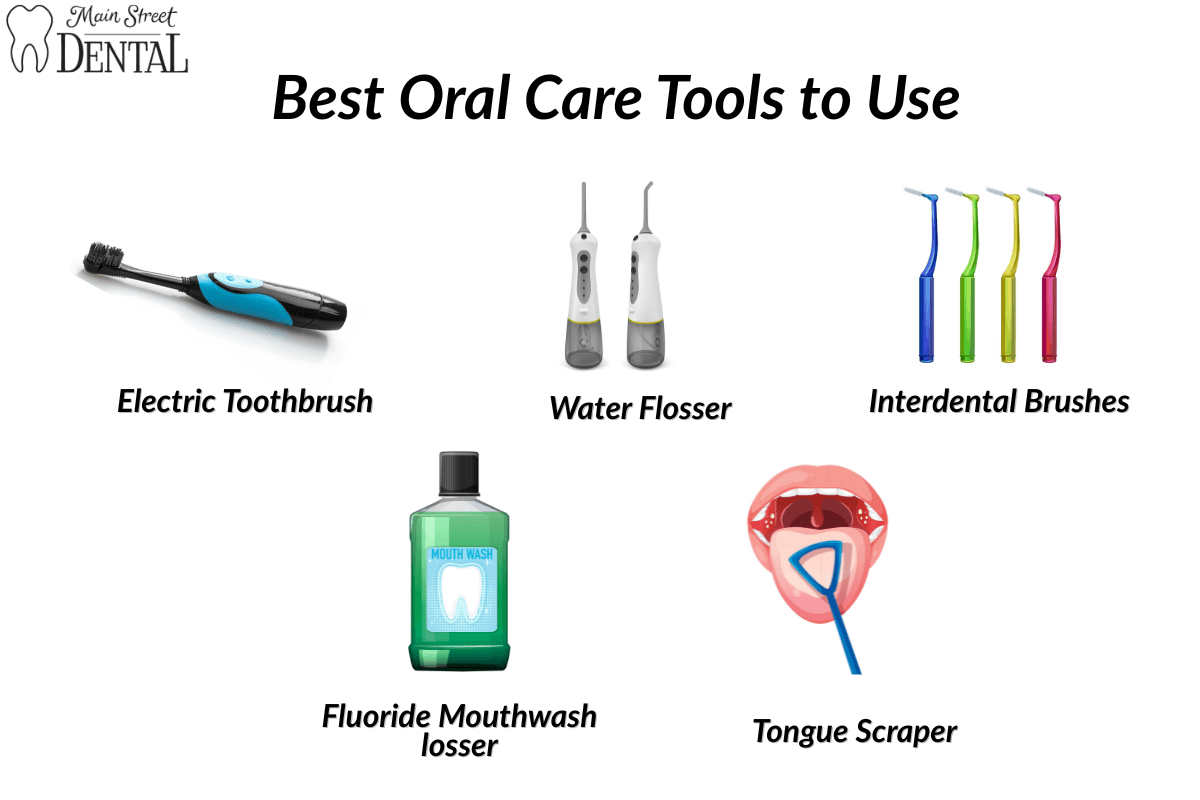
Electric Toothbrush
An electric toothbrush is one of the most effective tools for maintaining overall oral care. Its consistent brushing motion and built-in timer help ensure proper cleaning of teeth and gums. It removes more plaque than manual brushing and is highly beneficial for kids, seniors, and individuals with limited hand movement. Using an electric toothbrush supports long-term gum health and cleaner enamel.
Water Flosser
A water flosser uses a pressurized stream of water to clean between teeth and along the gumline. It is ideal for people with braces, bridges, implants, crowns, or sensitive gums. Because it reaches deep areas regular floss may miss, it helps reduce inflammation, prevent gum disease, and maintain better overall oral care between dental visits.
Interdental Brushes
Interdental brushes are small, flexible brushes designed to clean the tight spaces between teeth. They are especially helpful for people with gum recession, wider gaps, or orthodontic appliances. When used daily, they remove trapped food particles and plaque, lowering the risk of cavities and gum infections.
Fluoride Mouthwash
Fluoride mouthwash enhances overall oral care by strengthening tooth enamel, reducing sensitivity, and lowering the risk of cavities. It helps wash away lingering bacteria after brushing and flossing while keeping the breath fresh. Incorporating fluoride mouthwash into your routine supports long-term oral protection.
Tongue Scraper
A tongue scraper removes bacteria, food particles, and odor-causing buildup from the tongue. Cleaning the tongue daily helps prevent bad breath and stops harmful bacteria from spreading throughout the mouth, an important step in maintaining complete oral care.
These oral care tools help protect your teeth and gums between professional dental cleanings, ensuring healthier, fresher, and stronger smiles year-round.
Maintaining good oral hygiene isn’t just about brushing or visiting your dentist, it’s also about avoiding the daily habits that quietly damage your teeth and gums. Many Newark, DE patients follow a routine but still experience cavities, sensitivity, or early gum disease because of small but harmful mistakes. Understanding these common errors can help you protect your smile more effectively and maintain long-term oral health.
1. Brushing Too Hard
Brushing with too much pressure can wear down your enamel and irritate your gums, leading to sensitivity and recession. Always use gentle, circular motions with a soft-bristled toothbrush for safer, more effective cleaning.
2. Not Replacing Your Toothbrush Every 3 Months
A worn-out toothbrush cannot clean properly and may even harbor bacteria. Dentists recommend replacing your toothbrush every 3 months, or sooner if the bristles start to fray.
3. Using Mouthwash Instead of Brushing
Mouthwash freshens your breath and kills bacteria, but it cannot remove plaque. Think of it as a supplement, not a substitute. Always brush and floss first, then use mouthwash for added protection.
4. Skipping Flossing
Flossing is the only way to clean between your teeth where your toothbrush cannot reach. Skipping it leads to plaque buildup, bad breath, and early gum inflammation. Make it a habit at least once a day.
5. Eating Sugary Foods Before Bed
Sugar fuels harmful bacteria, especially at night when saliva production naturally decreases. Avoid late-night sugary snacks and always brush before going to sleep to reduce the risk of decay.
With better awareness and small changes to your routine, you can dramatically improve your daily oral hygiene and keep your smile healthier for years to come. If you’re unsure whether your routine is working, schedule a quick checkup with your Newark, DE dentist to get personalized guidance.
The connection between oral care and your overall health is much deeper than most people realize. Your mouth is the gateway to your digestive and respiratory systems, meaning that poor oral care allows harmful bacteria to travel easily throughout the body. When plaque, tartar, and bacteria build up, they don’t just affect your teeth and gums, they can enter the bloodstream, trigger inflammation, and contribute to serious long-term health problems.
Poor oral care is linked to:
• Diabetes
Gum disease makes it harder to manage blood sugar levels, while high glucose levels can worsen gum infections, creating a dangerous cycle.
• Heart Disease
Bacteria from infected gums can enter the bloodstream and contribute to clogged arteries, stroke risk, and heart inflammation.
• Respiratory Infections
Inhaling harmful oral bacteria can lead to pneumonia, bronchitis, and other chronic lung conditions, especially in seniors.
• Preterm Birth & Pregnancy Complications
Gum inflammation and untreated infections are associated with early labor and low birth weight.
Taking care of your mouth means taking care of your entire body.
Complete oral care, brushing, flossing, professional cleanings, routine dental checkups, and early treatment, helps reduce inflammation, protect the immune system, and keep harmful bacteria under control.
Good oral care is one of the simplest, most effective ways to support long-term overall health and well-being.
Taking control of your oral care becomes easier when you follow the right daily habits and stay connected with a trusted dental professional. With this handbook, you now have a complete roadmap to protect your teeth, strengthen your gums, and support your overall oral health, both at home and at the dental clinic. From simple daily care routines to advanced preventive and restorative services available in Newark, DE, every step is designed to help you make informed and confident decisions about your smile. Start applying these oral care tips today, book your next dental visit, and take the first step toward a healthier, brighter, and more confident you.
Phone: 302-368-2558
Main Street Dental
29 Center Street
Newark, DE 19711
Mon. & Wed:
7:15 a.m. to 6:15 p.m.
Tues. & Thurs:
7:15 a.m. to 3:15 p.m.
Fri., Sat. & Sun.:
Closed
Handicap accessible office.
© Main Street Dental Newark